China: Dreams and Algorithms Reshaping Global Power
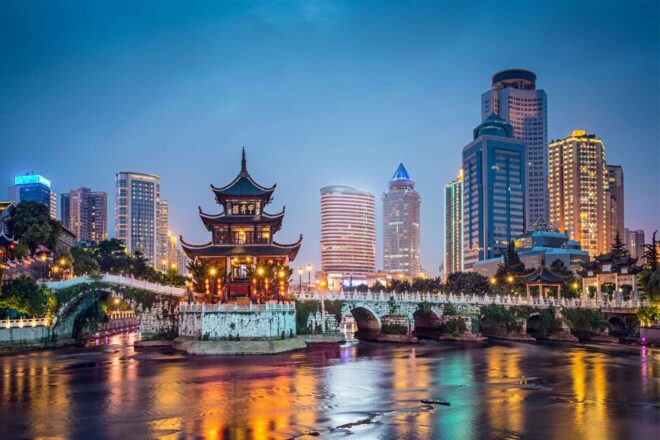
Driven by technological ambition and a comprehensive strategy, China is creating a unique model that blends innovation with social control and geopolitical influence.
The Foundations of the Chinese Model
Driven by Xi Jinping’s visionary “Chinese Dream,” the Chinese model extends beyond ideology. It is constructed around a long-term strategy to bolster China’s global power, incorporating technological modernization and centralized governance while enhancing China’s global standing.
In an effort to dismantle the US-dominated unipolar world order, China actively pursues a multipolar world where it holds a pivotal position. The ability to influence global public opinion is a key asset in this strategy.
Technologies and Innovations
China, now recognized for its technological leaps, excels in new technologies and social media. For instance, the platform ‘What’s on Weibo’ by Manja Koets analyzes what’s truly shared on Chinese social networks, often evading censorship. Other notable innovations include seamless integration of AI in daily services, the rise of apps like TikTok and Douyin, and the surge in Chinese electric vehicles.
Pragmatic Vision of Social Control
In China, technology usage aligns with a pragmatic approach to social control. Platforms such as Weibo, while censored, strive to maintain a degree of free expression to prevent significant public discontent.
Growing International Influence
China’s soft power extends beyond technology, with significant economic influence in Africa, strengthened partnerships with Russia, and the use of foreign influencers to enhance its international image.
As a pioneer in mass technology and pragmatic digital social control, China influences global perspectives not only on digital life but also on global geopolitics.