Christopher Nolan’s Odyssey Film Sparks Debate Among Homer Scholars
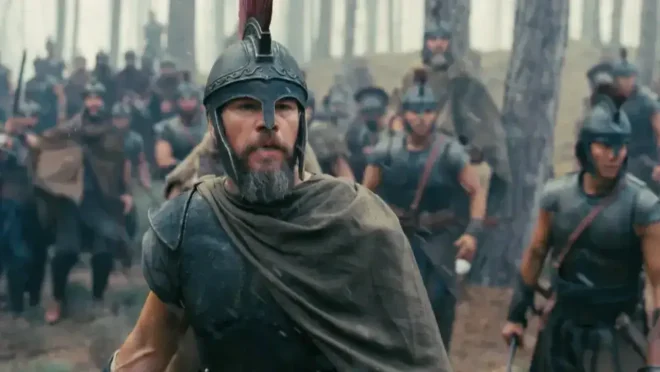
Christopher Nolan’s adaptation of The Odyssey has sparked debate among Homeric scholars, who are divided over the filmmaker’s interpretation of the ancient epic and its impact on contemporary understanding of Homer’s enduring masterpiece.
TL;DR
- Nolan’s film criticized by Homer translators.
- Key character and themes seen as misrepresented.
- Box office success despite literary concerns.
Nolan’s Adaptation Sparks Debate
Although Christopher Nolan’s latest film based on Homer’s iconic epic has dominated the box office, it has also sparked a spirited debate among scholars and translators of the ancient poet. Critics from academic circles suggest that, while audiences are flocking to theaters, the cinematic interpretation diverges sharply from essential aspects of the original text.
A Key Character Under Scrutiny
At the heart of the controversy lies Nolan’s portrayal of one of the poem’s pivotal figures. Translators who have dedicated years to bringing Homer’s work into contemporary languages argue that this version alters both the motivation and complexity traditionally ascribed to the character. The nuanced moral struggles and layered motivations found in the original have been, in their view, simplified for broader appeal.
Themes Lost in Translation?
According to these experts, several foundational themes embedded in the ancient Greek text are either downplayed or reinterpreted to fit modern sensibilities. The timeless questions about fate, heroism, and human resilience—which anchor the epic—are treated with less subtlety than many had hoped. Several factors explain this criticism:
- Simplified portrayal of character development.
- Omission or alteration of core philosophical themes.
- A preference for spectacle over narrative depth.
A Triumph at the Box Office
Despite—or perhaps because of—these creative liberties, Nolan’s adaptation continues to break commercial records. Moviegoers appear captivated by its stunning visuals and dynamic storytelling. However, some wonder if this mainstream triumph comes at the expense of what made The Odyssey such a lasting pillar in world literature.
For those invested in faithful retellings of classic works, this tension between cinematic success and literary authenticity is hardly new. Yet with such a renowned director at the helm and a poem so central to Western culture under discussion, the conversation feels more relevant than ever.