Collapse of Ancient Archaeological Site in Mexico: A Historic Tragedy!
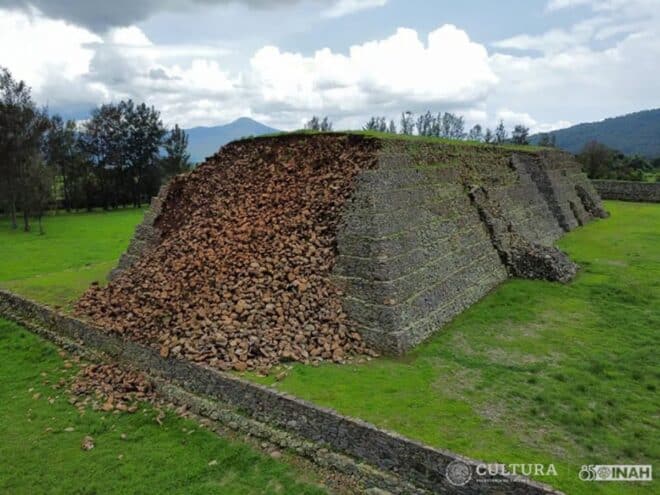
Researchers recently found that an ancient pyramid collapsed in late July at a major archaeological site in eastern Mexico due to heavy rainfall, raising questions about the historical climate of the area.
Collapse of an Ancient Relic: A Mexican Pyramid
A significant, historic loss has occurred in Mexico, where an ancient pyramid at the Ihuatzio archaeological site has collapsed. This centuries-old structure succumbed to recent extreme weather conditions.
An Unforeseen Disaster?
The top of the pyramid’s southern face, once standing fifteen meters high, now lies flattened on the ground, overwhelmed by the force of nature. Researchers believe that the collapse was triggered by torrential rains that struck Michoacán, an eastern region of the country. The combination of prolonged drought followed by heavy rainfall compromised the pyramid’s integrity.
This severe drought, the most intense in Mexico over the last thirty years according to ScienceAlert, caused widespread cracks before the subsequent heavy rains brought the ancient structure down.
The Struggle for Preservation
The Instituto Nacional de Antropología e Historia (Inah), supported by the government and various insurance companies, plans to restore this cherished heritage monument.
Climate Change Threatens Our Heritage
This collapse, dating back to the 10th century CE, highlights growing concerns among researchers about the risks climate change poses to archaeological sites worldwide. Increasingly severe weather patterns threaten to damage or destroy these invaluable links to our past.