Common Dietary Ingredient May Enhance Memory and Lower Alzheimer’s Risk, Study Finds
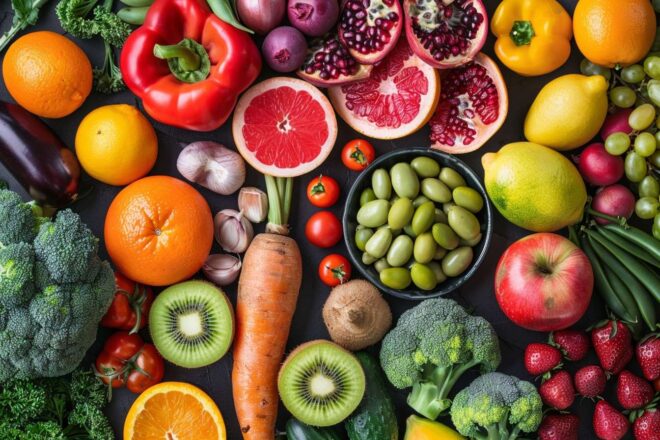
Recent research suggests that a widely consumed dietary ingredient may enhance memory and help reduce the likelihood of developing Alzheimer’s disease, offering new hope in the ongoing battle against cognitive decline.
TL;DR
- Dietary fiber may ease Alzheimer’s symptoms in animal studies.
- Intestinal immune balance linked to brain health improvement.
- Human trials needed before new dietary recommendations.
Gut Health’s Surprising Role in Alzheimer’s Research
For decades, the search for effective ways to slow or prevent Alzheimer’s disease has left families and physicians frustrated. Affecting about 60 to 70 percent of the world’s 57 million dementia patients, according to the World Health Organization, this degenerative condition still resists most available treatments. Yet, recent findings are hinting at an unexpected ally: dietary fiber.
The Study: Dietary Fiber as a Game-Changer?
A team at the Buck Institute for Research on Aging has just published research that may reshape scientific thinking. Their experiments—conducted on sophisticated mouse models—suggest that supplementing diets with fiber, specifically inulin, can help restore intestinal immune equilibrium and reduce some symptoms related to Alzheimer’s. The results are cautiously optimistic: although brain plaques remained largely unchanged in these animals, observable improvements included reduced frailty, less trembling, and an overall better condition.
The Gut-Brain Axis Under the Microscope
One of the study’s striking revelations is that Alzheimer’s does not solely target the brain. Instead, the disruption extends to the body’s gut-immune interface. Researchers believe that immune cells originating from the digestive tract migrate toward inflamed brain tissue during Alzheimer’s progression, further weakening intestinal defenses. Here is where dietary fiber steps in:
- It nourishes beneficial microbes that produce short-chain fatty acids—compounds known for their potential to protect neurons and influence brain function.
This interaction, now often called the gut-brain axis, is rapidly gaining attention as a key player in neurodegenerative diseases.
Cautious Optimism: Next Steps and Practical Advice
While adding more fiber-rich foods—think carrots, onions, apples, berries, quinoa or oats—is both simple and risk-free for most people, experts warn that these recommendations stem from animal studies alone. Large-scale human clinical trials remain essential before shifting mainstream treatment approaches for Alzheimer’s disease. Still, in a field where breakthroughs are hard-won and hope can be fleeting, this research offers a cautiously encouraging note for patients and their loved ones: sometimes help may come from where we least expect it—even our daily diet.