Coral Reefs at Risk: 96% Threatened by 2075 Climate Change
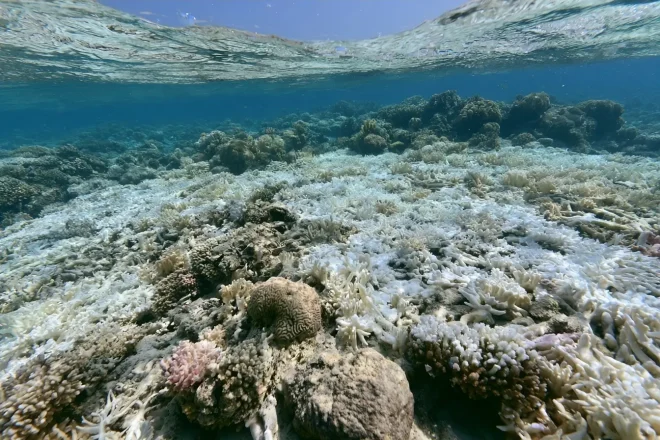
A new warning highlights the escalating threat to coral reefs worldwide, with projections indicating that by 2075, nearly all—96 percent—could be at risk due to mounting environmental pressures and climate change.
TL;DR
- Global assessment: coral reefs face critical risk by 2075.
- Climate change is the main driver of this crisis.
- Urgent action is required to prevent massive loss.
Bleak Forecast for Coral Reefs Worldwide
A recent global report by the International Union for Conservation of Nature (IUCN) paints a stark picture for the future of the planet’s coral reefs. By 2075, nearly every reef could be classified as critically endangered, according to their findings. This alarming projection underscores just how rapidly these vital marine ecosystems are disappearing.
Climate Change: The Primary Culprit
At the heart of this crisis lies the unrelenting pressure from climate change. Rising ocean temperatures, driven largely by increased greenhouse gas emissions, have triggered widespread bleaching events across tropical and subtropical waters. The evidence is already visible in iconic regions such as the Great Barrier Reef, where recurring bleaching has devastated vast swathes of coral. Experts warn that without a significant reduction in emissions, further temperature increases will become catastrophic for these fragile habitats.
The Consequences at Stake
Several factors explain this accelerating decline:
- Ocean acidification, which weakens corals’ ability to build their skeletons;
- More frequent and severe storms disrupting reef structures;
- The proliferation of diseases that target stressed coral populations.
If current trends persist, not only will biodiversity plummet, but coastal communities dependent on reefs for food and protection may also face dire consequences.
A Call for Swift Global Response
Faced with such a daunting outlook, many scientists and conservationists argue that urgent intervention is no longer optional but imperative. Robust international cooperation aimed at curbing emissions—and locally focused efforts to reduce pollution and overfishing—could help slow down or possibly reverse some damage. The fate of the world’s most extraordinary underwater ecosystems now hangs in the balance, awaiting decisive action from governments and citizens alike.
The IUCN’s assessment leaves little room for complacency: immediate action remains the last line of defense against what could soon become an irreversible loss.