Crypto Wallets: Why They Don’t Guarantee Complete Security
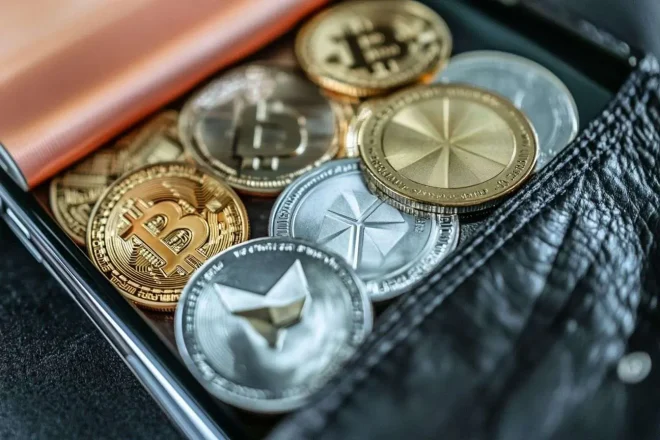
Although crypto wallets are designed to safeguard digital assets, they do not provide absolute protection against every risk. Users remain vulnerable to threats such as phishing attacks, malware, and human error, highlighting the importance of ongoing vigilance.
TL;DR
- Delivery data of Trezor and SafePal clients compromised.
- Physical risks increase despite offline crypto wallets.
- Users urged to remain vigilant for targeted attacks.
Heightened Physical Risks for Crypto Wallet Owners
The security breach impacting customers of Trezor and SafePal has recently underscored an emerging threat: when it comes to cryptocurrency wallets, dangers can extend beyond the digital realm. While these devices are specifically designed to keep assets out of reach from online hackers, their users now face a different kind of vulnerability—one rooted in the exposure of personal delivery information.
Customer Data Compromised
It has emerged that the shipping details—including names, addresses, and potentially contact information—of several customers were stolen. Both companies manufacture popular offline (or “cold”) wallets, designed to safeguard digital funds by keeping them disconnected from the internet. This recent leak does not directly affect the cryptographic security of the wallets themselves; instead, it exposes their owners to entirely new risks.
The Growing Concern Over Physical Security
Industry analysts warn that these types of breaches can lead to much more than spam or phishing attempts. With detailed address records in hand, malicious actors could target individuals perceived as possessing significant crypto holdings. As a result, physical threats—from theft and intimidation to home invasions—become real possibilities for affected clients. Several factors explain this growing concern:
- Delivery information provides exact locations for would-be criminals.
- The very act of purchasing a hardware wallet signals crypto ownership.
- Offline storage offers no defense against physical coercion.
A Call for Caution Among Crypto Users
Amidst this troubling development, experts urge users of hardware wallets to exercise increased caution. Simple measures such as using pseudonyms when possible, opting for PO boxes rather than home addresses, or considering alternative delivery points may help reduce exposure in future purchases. The reality is clear: while technological safeguards remain robust, human error—or oversight at the supplier’s end—can introduce new vulnerabilities into what many believed was a fortress of privacy.
The incident involving Trezor and SafePal thus serves as a timely reminder: in the world of digital assets, risks rarely confine themselves neatly to one domain. Both cybersecurity and real-world vigilance are essential defenses for anyone holding significant sums in crypto.