Digital Twin Technology Assists Doctors in Treating Deadly Heart Arrhythmia
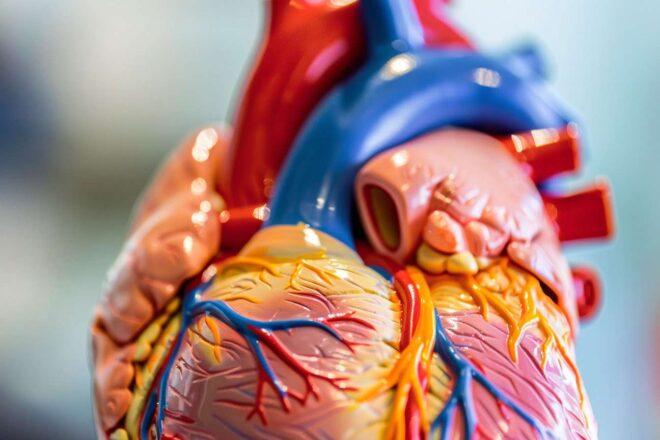
ADN
Doctors have utilized a digital twin—a virtual replica of a patient’s heart—to guide treatment and correct a life-threatening cardiac arrhythmia, marking a significant advancement in personalized medicine and innovative healthcare technology.
TL;DR
- Digital twins enable precise heart treatment planning.
- Pilot study shows higher success than traditional methods.
- Technique may transform care for cardiac and other diseases.
A Leap Forward in Cardiology
The realm of cardiology is witnessing a remarkable transformation with the advent of digital twin technology. A team at Johns Hopkins University has pioneered the use of hyper-detailed virtual replicas—so-called digital twins—of the hearts belonging to patients suffering from severe ventricular tachycardia, an arrhythmia claiming approximately 300,000 lives each year in the United States alone. By simulating interventions on these digital models before ever touching a patient, cardiologists are now able to fine-tune their therapeutic strategies with an accuracy previously considered out of reach.
Pilot Study Signals Promising Future
This cutting-edge approach, long employed in industries like aerospace and automotive engineering, has only recently made its debut in medicine. In a tightly controlled pilot trial sanctioned by the Food and Drug Administration (FDA), just ten individuals were selected to receive this advanced form of personalized care. The findings, published in the prestigious New England Journal of Medicine, have garnered attention: after more than a year of monitoring, eight patients experienced no recurrence of arrhythmia at all, while two encountered only brief episodes during recovery—a notable improvement compared to standard success rates that rarely exceed 60%.
A New Paradigm for Treating Heart Rhythm Disorders
Historically, managing ventricular tachycardia has resembled navigating without a map. Physicians have relied on trial-and-error ablation procedures to target problematic tissue, often risking unnecessary damage to healthy areas. Now, thanks to intricate modeling using high-resolution MRI scans and patient-specific data, clinicians can pinpoint the exact site responsible for electrical disturbances. In the words of project leader Professor Natalia Trayanova, “We treat the twin before we treat the patient.”
Several factors explain why this method is attracting interest:
- It allows prediction of individual heart responses to therapies;
- Spares healthy cardiac tissue from needless injury;
- Cuts down procedure times and possibly related risks.
The Road Ahead: From Cardiology to Broader Medicine
Looking forward, experts at Johns Hopkins believe this technique could revolutionize care not just for dangerous arrhythmias but also conditions such as atrial fibrillation or even certain cancers. Preparations are underway for a larger-scale trial spanning multiple hospitals. Should these results hold steady, digital twin technology might well signal a new era for modern interventional cardiology—and potentially far beyond.