Django: The Spaghetti Western That Shocked the UK
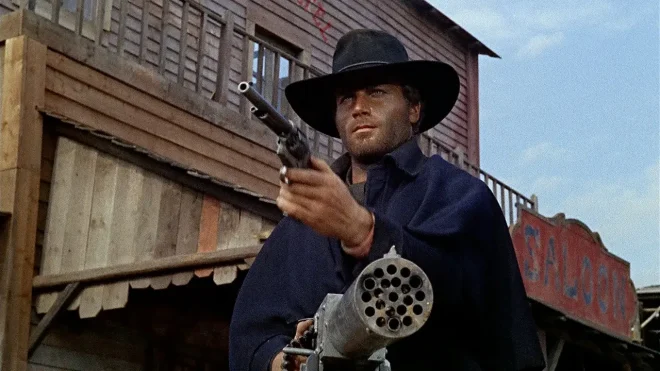
Upon its release, Django, the iconic spaghetti western, sparked controversy in the United Kingdom for its graphic violence and unconventional themes. The film’s provocative content challenged British sensibilities and ignited debate over censorship and cinematic boundaries.
TL;DR
- Django was banned in the UK for its violence.
- The restriction was gradually relaxed over time.
- Now recognized as a cult classic western.
An Unprecedented Ban on a Western Classic
When Sergio Corbucci’s Django hit theaters in 1966, few could have predicted the level of controversy it would generate—especially across the Channel in the United Kingdom. The film, renowned for its uncompromising portrayal of violence and moral ambiguity, was deemed excessively brutal by British censors and quickly found itself on the list of prohibited films. For years, audiences in Britain were denied any legal access to this now legendary western.
Cultural Shifts and Relaxed Censorship
Decades passed, and attitudes toward cinematic violence began to evolve. As new generations of viewers and critics reappraised the significance of Django, pressure mounted for British authorities to reconsider their stance. What was once considered unacceptably graphic became seen—perhaps with some hesitation—as a reflection of its era and a significant artistic statement. This shift prompted regulators to ease their restrictions.
A Gradual Reassessment
Several factors explain why British censorship eventually relented:
- Changing public standards regarding film violence
- Reevaluation of the film’s historical and artistic impact
- Influence from international acclaim and home video demand
Bit by bit, earlier bans gave way first to limited releases under strict conditions, then eventually to broader availability. The path wasn’t immediate—at times frustratingly slow for enthusiasts—but patience ultimately paid off.
Django’s Lasting Legacy in Film History
Today, what was once considered too extreme for British audiences is celebrated as a pivotal work in the genre of spaghetti westerns. The initial censorship may seem surprising from a modern perspective, but it speaks volumes about changing tastes and how boundaries are continually redrawn in cinema. Django, after all these years, stands as both a cautionary tale about societal anxieties—and an enduring testament to bold filmmaking that challenged conventions long before it earned universal recognition.