Dune and Star Wars: Key Similarities and Differences Explained
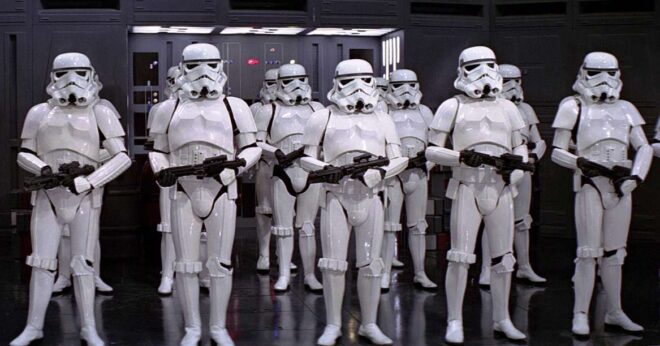
Lucasfilm / PR-ADN
The enduring popularity of both Dune and Star Wars has sparked widespread discussion about their intriguing similarities. Fans and critics alike have explored the narrative, thematic, and visual parallels that connect these two iconic science fiction universes.
TL;DR
- Dune and Star Wars share striking narrative parallels.
- No legal action was ever taken over alleged inspiration.
- The debate on influence versus coincidence remains unresolved.
Intriguing Parallels: Dune and Star Wars
The realm of science fiction is no stranger to cross-pollination, but few comparisons have provoked as much debate as the alleged connections between Frank Herbert’s seminal novel Dune and George Lucas’s blockbuster creation, Star Wars. Nearly fifty years after Lucas’s epic debuted, fans and scholars alike continue to dissect these two universes for signs of shared DNA—or potential appropriation.
Narrative Echoes Across the Desert Sands
One cannot help but notice certain resemblances upon closer inspection. Both sagas revolve around powerful empires—the Imperium in Herbert’s world and the Galactic Empire in Lucas’s. Their respective central planets are marked by arid landscapes: Arrakis, with its colossal sandworms, and Tatooine, home to other dangerous desert-dwelling creatures like the Sarlacc. Even among the principal characters, parallels abound. Consider the similarities between Princess Alia of Dune and Princess Leia from Star Wars: both are royal sisters to key protagonists, endowed with extraordinary powers—psychic abilities for Alia, a connection to the Force for Leia.
Several factors explain this recurring sense of déjà vu:
- Mysterious female orders—Bene Gesserit versus Jedi—who manipulate minds or wield supernatural influence.
- Centrally controlled interstellar politics marked by manipulation and intrigue.
- A narrative focus on desert planets teeming with mythic danger.
The Elusive Question of Influence—Or Imitation?
Such similarities once led Frank Herbert to contemplate legal action. In a revealing interview from 1977, he admitted his frustration: “I’ll try hard not to sue… I suspect they borrowed elements from Dune, especially a princess with a name quite like mine.” Ultimately, he refrained from litigation; after all, demonstrating plagiarism in such a creative field can prove notoriously challenging.
On the other side, George Lucas consistently downplayed direct inspiration from Herbert’s work. He attributed his vision more to classic serials like Flash Gordon or cinematic legends such as Akira Kurosawa. According to Lucas, only the sandy setting might link his universe to that of Arrakis.
An Ongoing Dialogue Among Science Fiction Enthusiasts
In the end, whether these overlaps result from homage, coincidence or subconscious borrowing remains open to interpretation. No definitive line has been drawn between tribute and appropriation within this expansive genre. As long as new readers and viewers discover these worlds, discussions around their origins—and their enduring impact on popular culture—are sure to persist.