Early Brain Signal Detected Before Alzheimer’s Symptoms Appear
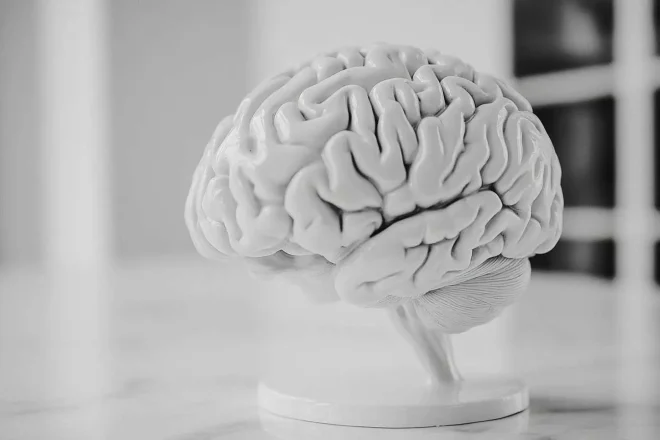
Researchers have identified a detectable brain signal that appears before the onset of Alzheimer's symptoms, offering new hope for earlier diagnosis and intervention in the fight against this devastating neurodegenerative disease.
TL;DR
- Stanford study links resting MRI to early Alzheimer’s risk.
- Detection possible years before memory symptoms appear.
- Potential for earlier intervention and monitoring strategies.
Early Detection: A New Approach to Alzheimer’s Risk
A groundbreaking discovery by researchers at Stanford Medicine could signal a major shift in how specialists detect the risk of developing Alzheimer’s disease. The team has demonstrated that a simple, non-invasive resting MRI scan might reveal subtle brain changes well before any outward signs of memory loss become apparent.
Resting MRI: Quiet Clues from the Brain
Traditionally, pinpointing the onset of Alzheimer’s has relied on cognitive assessments and observing symptoms as they arise. Now, this innovative research hints that even when a person is lying quietly inside the scanner—engaged in no particular task—the brain can divulge early indicators of future decline. Through careful analysis of these resting-state MRIs, researchers believe they can identify at-risk individuals potentially years ahead of symptom onset.
The Science Behind the Scan
Several factors explain why this advance could be so pivotal:
- The method is entirely non-invasive and does not require radioactive tracers.
- It offers the possibility of screening large populations efficiently.
- Earlier identification means interventions could begin much sooner.
This new approach builds on decades of work mapping the networks within the brain and their changes over time. Subtle disruptions in connectivity, as revealed by resting MRI data, may serve as an early warning system for neurological deterioration.
Towards Prevention and Better Outcomes
While caution remains appropriate—this technique needs further validation before it becomes part of routine clinical practice—the promise is undeniable. If refined and adopted widely, this strategy could transform both public health policy and individual patient care. At its core, it empowers physicians to move from reactive treatment to proactive management, offering hope to those worried about their cognitive future.
Ultimately, this research opens up new avenues for tracking, monitoring, and perhaps even stalling the progression of one of medicine’s most daunting challenges: Alzheimer’s disease.