Easy Blanquette de Veau Recipe: Smooth Sauce Without Lumps
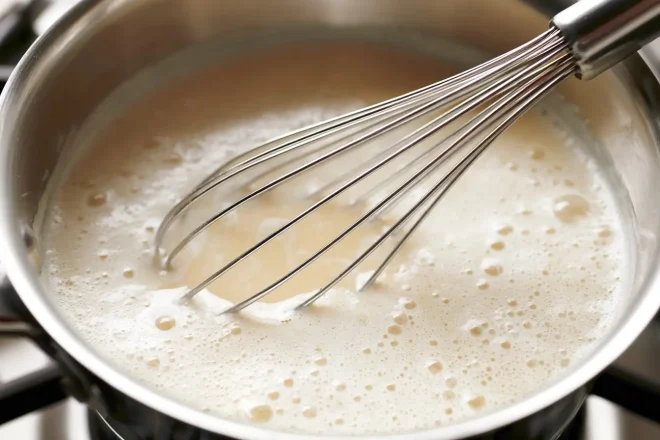
Preparing blanquette de veau can be daunting for home cooks, especially when striving for a perfectly smooth sauce. Fortunately, mastering a straightforward technique helps avoid lumps, ensuring this classic French dish remains both comforting and refined.
TL;DR
- Proper sauce thickening relies on precise temperature control.
- A chef shares expert advice for classic veal blanquette.
- Mastering the technique ensures a silky, cohesive texture.
The Subtle Art of Thickening a Classic Blanquette de Veau
Elevating a traditional blanquette de veau demands more than just premium ingredients and patience. According to an experienced French chef, the secret lies not only in technique but above all in mastering the precise temperature of the sauce during its critical thickening stage.
Why Temperature Holds the Key
Many home cooks might assume that thickening a creamy veal stew is all about adding flour or cream. However, this seasoned culinary professional insists otherwise: it’s the heat beneath your saucepan that can make or break your sauce. If temperatures climb too high, the sauce risks splitting, resulting in an undesirable grainy texture rather than the sought-after silkiness.
A Chef’s Essential Guidance
The chef recommends careful attention to this pivotal step. When it comes time to thicken and bind the blanquette, chefs emphasize keeping the sauce over a gentle, consistent heat. Several factors explain this critical choice:
- Overheating causes proteins and fats to separate.
- Mild temperatures encourage proper emulsification.
- Slow heating enables starches to swell gradually, achieving smoothness.
Gently stirring with a whisk—never rushing—allows each ingredient to meld harmoniously into the base, producing a velvety result synonymous with authentic French cuisine.
Culinary Tradition Meets Precision
This meticulous approach to temperature control stands at the core of classic French sauces. Professional kitchens across France have long taught aspiring chefs that “low and slow” is more than an adage; it’s an unwritten rule for success. By respecting these foundational principles, cooks can consistently achieve that perfect, glossy finish in their blanquette—one that both clings lovingly to tender pieces of veal and delights diners with its creamy cohesion.
So while shortcuts abound in modern cooking, true mastery still depends on heeding such timeless advice from those who know best: sometimes, it’s not what you add to your dish but how you treat it that makes all the difference.