Eating Cheese for 25 Years Linked to Lower Dementia Risk
ADN
A comprehensive 25-year study has identified a correlation between cheese consumption and a reduced risk of developing dementia, suggesting dietary choices may play an important role in long-term cognitive health.
TL;DR
- Eating fatty cheese may lower dementia risk by 13%.
- No similar effect found for low-fat dairy or yogurt.
- Experts urge caution and further research is needed.
A Surprising Ally in Dementia Prevention
For decades, nutritionists and health authorities have often warned against foods high in saturated fat. Now, a new study out of Sweden suggests that one beloved staple—cheese, particularly the rich and creamy varieties—might play a role in reducing the risk of developing dementia. This large-scale investigation, drawing on the health records of more than 27,000 adults, is generating cautious optimism among researchers.
The Malmö Study: Tracking Diets Over Decades
At the heart of this research is the extensive Malmö Diet and Cancer cohort, a longitudinal project that meticulously monitored participants’ dietary habits and health outcomes over roughly 25 years. Using food diaries, questionnaires, and in-depth meal interviews, scientists quantified daily consumption of different foods. During the follow-up period, over 3,200 participants were diagnosed with some form of dementia—a sobering figure that underscores the scale of the challenge.
Fatty Cheese Linked to Lower Risk—But Not All Dairy Qualifies
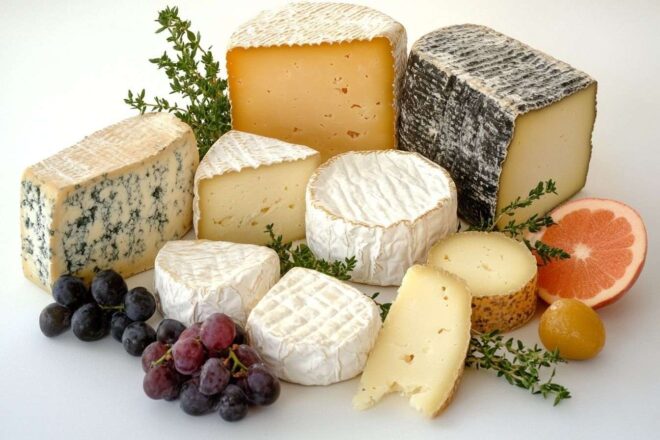
Led by nutrition epidemiologist Yufeng Du from Lund University, the team found that individuals consuming at least 50 grams per day of full-fat cheeses such as brie, gouda, cheddar, or parmesan faced a notably lower risk—about 13% less—of cognitive decline compared to those who ate less or favored other dairy products. Interestingly, this correlation did not extend to low-fat cheeses or fermented dairy like yogurt and kefir.
Several factors explain this complex relationship:
- MIND diet, inspired by Mediterranean patterns: results remain inconclusive.
- Nutritional impacts vary across countries and dairy product types.
- No effective curative treatment for dementia has been identified yet.
Proceeding With Caution Amid Hopeful Signals
Still, researchers are urging restraint in interpreting these findings. Some experts point out that dietary assessments were captured at just one point in time; eating habits can shift considerably over two decades. As Emily Sonestedt, an expert in nutritional epidemiology, notes, these results challenge old assumptions but require careful validation. With more than 57 million people worldwide affected by dementia as of 2021—and forecasts projecting nearly triple that number by mid-century—the allure of prevention through diet is undeniable. However, as emphasized by neuroscientist Tara Spires-Jones, no single food can guarantee cognitive health; comprehensive lifestyle approaches remain essential as science continues its search for answers.