Europe Seeks to Regulate and Control Rapid AI Growth
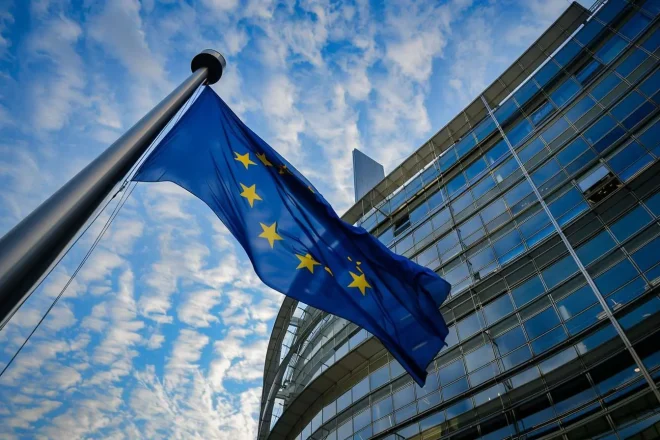
Amid the rapid growth of artificial intelligence, European leaders are seeking to strengthen oversight and develop regulations. Their aim is to balance technological innovation with the need to protect citizens and ensure ethical standards across the continent.
TL;DR
- EU enforces new AI transparency rules from August 2.
- Requirements cover labels, deepfakes, and potential fines.
- Measures aim to increase public trust in AI technologies.
A New Era for Artificial Intelligence Regulation in the EU
Sweeping changes are now reshaping the landscape of artificial intelligence across the European Union. As of August 2, stringent new requirements on transparency for AI systems have come into force. This regulatory milestone is part of the bloc’s ongoing commitment to fostering innovation while ensuring that emerging technologies remain trustworthy and accountable.
Key Provisions: Labels, Deepfakes, and Penalties
These fresh measures were not introduced lightly. The growing use of sophisticated AI—especially in generating content that can mimic human creativity or even deceive—has spurred policymakers to act. Several factors explain this decision:
- The mandatory labelling of AI-generated material to clarify its origins.
- Specific disclosures for so-called deepfakes, with explicit warnings when synthetic audio, video or images are created using AI.
- A regime of financial penalties designed to deter violations and reinforce compliance among both developers and distributors of AI tools.
Toward Greater Trust in Technology
The impact of these regulations will be felt by a wide spectrum of actors. Tech giants, startups, and smaller enterprises alike must now adapt their practices. For citizens across the bloc, this could mean clearer boundaries between authentic content and manipulated media—potentially curbing misinformation and restoring confidence in digital information sources.
Authorities at the level of each EU member state have been tasked with overseeing enforcement. While some observers note that interpretation may differ slightly from country to country, the intent is clear: no loophole should allow harmful or deceptive uses of AI to proliferate unchecked.
The Road Ahead for Europe’s Digital Future
Implementing these transparency standards marks just one stage in a broader agenda spearheaded by institutions like the European Commission. As technology evolves—and as public debate continues about its societal impact—the pressure mounts for regulators to strike a balance between nurturing growth and defending fundamental rights.
For now, all eyes are on how effectively these rules will be implemented, whether they will inspire similar frameworks globally, and what adjustments might follow as technology inevitably advances. The message from Brussels is unmistakable: artificial intelligence must serve society transparently—or face meaningful consequences.