European Refrigerators Hacked: Major Cybersecurity Vulnerability Exposed
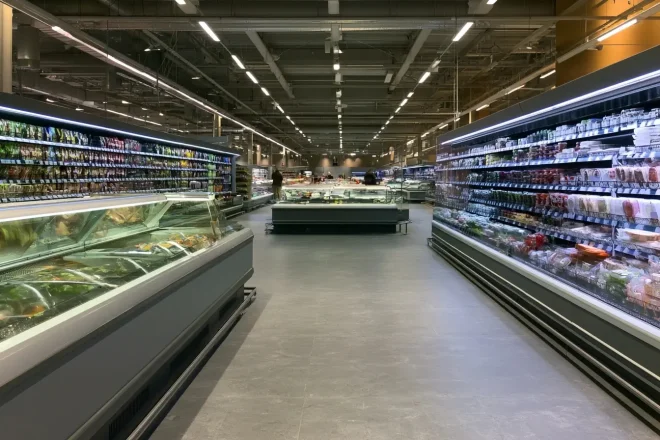
A recent cyberattack targeting refrigeration systems has exposed a significant vulnerability across Europe, raising concerns about the security of critical infrastructure. This incident highlights the tangible risks posed by digital threats to essential everyday services.
TL;DR
- Refrigeration failures hit supermarkets in nine European countries.
- Food safety concerns resurface amid widespread outages.
- Experts urge stricter monitoring to prevent future incidents.
Widespread Refrigeration Failures Disrupt European Supermarkets
Monday turned unexpectedly chaotic for supermarkets across Europe, as large-scale refrigeration malfunctions affected stores in at least nine different countries. From the chilled aisles of major chains in Germany, France, and Italy, to lesser-known grocers in Eastern Europe, the incident has renewed debates around the critical issue of food safety.
Fresh Concerns Over Food Safety Standards
The episode, which left fresh produce and dairy sections exposed to unsafe temperatures for hours, has sent a ripple of anxiety through both consumers and authorities. In many locations, staff rushed to remove potentially compromised goods, while customers were left puzzled—and sometimes frustrated—by empty shelves. For organizations like the European Food Safety Authority, the situation acts as a wake-up call: Are existing protocols robust enough for such widespread technical failures?
Several factors explain this renewed alarm:
- Refrigeration systems are central to modern food supply chains;
- a single failure can jeopardize large quantities of perishable goods;
- widespread incidents increase risks of contamination or spoilage reaching consumers.
Calls for Tighter Oversight and Modernization
Industry insiders point out that supermarket infrastructure is under growing strain from both increased demand and aging equipment. The recent incident has pushed many retailers to re-evaluate their contingency plans, with some experts urging an immediate review of emergency response procedures and regular maintenance schedules. The need for stricter oversight and investment in up-to-date cooling technologies has rarely seemed more urgent.
A Wake-Up Call for Retailers and Regulators Alike
While repairs were swiftly launched in most affected locations, questions persist about how quickly systems can be brought back online during such widespread outages. For now, authorities advise customers to be especially cautious when purchasing chilled products in the coming days.
Ultimately, this episode underscores a broader truth: ensuring the reliability of essential infrastructure remains a pressing challenge—not just for individual companies but for public health across Europe.