Europe’s Independence from US Asserted by Jean-Noël Barrot
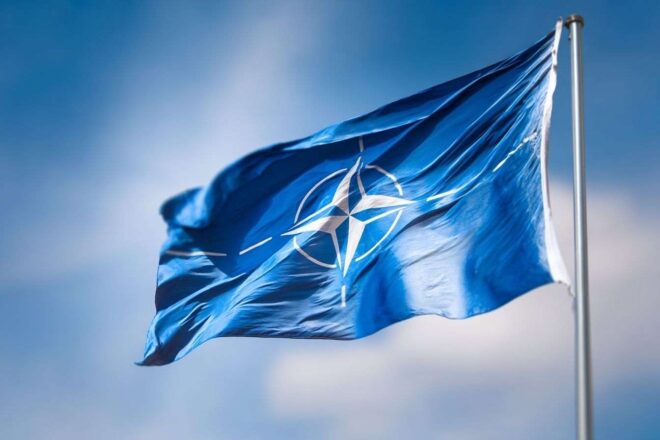
Vue rapprochée du drapeau de l'OTAN ondulant doucement sous un ciel bleu limpide.
French Minister Jean-Noël Barrot has responded to recent remarks by Mark Rutte, emphasizing that Europe maintains its own autonomy and is not reliant on the United States, highlighting ongoing debates about transatlantic relations within the European Union.
TL;DR
- Europe urged to boost defense spending for autonomy.
- Debate over reliance on United States within NATO continues.
- French officials challenge NATO chief’s warning on security.
NATO Leadership Stirs Debate Over Europe’s Defense Autonomy
At the heart of a renewed debate on European defense, Mark Rutte, the newly appointed Secretary General of NATO, delivered a forceful message to the European Parliament in Brussels on Monday, January 26, 2026. Speaking candidly, he emphasized that “Europe cannot defend itself alone without help from the United States; they need each other.” This stark reminder spotlighted the enduring transatlantic dependency that underpins European security.
French Pushback and Calls for Greater Sovereignty
The response from Paris was swift and unequivocal. On social media platform X, Jean-Noël Barrot, France’s Foreign Minister, challenged Rutte’s assertions: “No, dear Mark Rutte. Europeans can and must take charge of their own security.” He pointedly recalled that even the U.S. now recognizes the crucial nature of the “European pillar” within the Atlantic Alliance. Nonetheless, debate over so-called strategic autonomy divides EU member states. While France is among its most ardent advocates, others—especially those geographically closer to Russia—remain wary of loosening military ties with Washington due to significant dependence on American equipment.
The Numbers Behind Europe’s Military Ambitions
Several factors explain this persistent friction:
- Most NATO allies still struggle to meet even the previous 2% GDP target for defense spending.
- The alliance has since raised its expectations, asking members to commit at least 5% of GDP by 2035 (including 3.5% strictly for military expenditures).
- An autonomous European defense would likely require investments reaching up to 10% of national GDP and developing an independent nuclear deterrent—daunting prospects for many capitals.
During Donald Trump’s presidency, and echoed by his Defense Secretary Pete Hegseth, Washington made it clear: Europe must shoulder more responsibility for its own security.
Acknowledging Shared Sacrifice Amid Uncertainty
In an effort to temper these tensions, Rutte also reminded lawmakers that European engagement in joint operations should not be underestimated. He noted: “For every two American soldiers who paid the ultimate price [in Afghanistan], one allied or partner soldier did not return home either.” This perspective serves as a subtle call for mutual recognition and respect within the alliance.
As geopolitical uncertainty persists, Europe finds itself navigating between ambition and fiscal reality—a delicate balancing act as both sides of the Atlantic ponder how best to guarantee collective security in an increasingly unpredictable world.