Excessive TV Watching May Harm Brain Health and Function
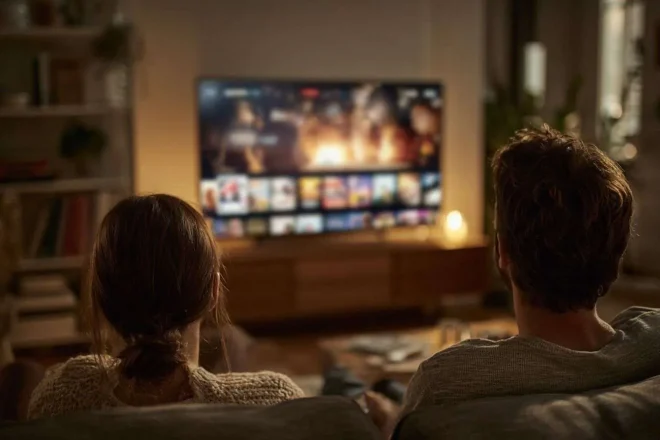
Spending excessive time in front of the television may have a detrimental impact on brain health, according to recent findings. Experts are increasingly concerned about the potential cognitive consequences associated with prolonged television viewing habits.
TL;DR
- Frequent TV watching linked to less favorable brain signs.
- Men appear more affected by these changes.
- Study followed participants for nearly 24 years.
Long-Term Study Reveals Brain Impact of TV Habits
A sweeping investigation conducted over almost a quarter of a century has thrown new light on the effects of frequent television viewing, particularly among men. This research connects prolonged periods in front of the screen with less advantageous indicators in the brain, raising questions about how modern entertainment habits may shape cognitive health.
The Scope and Approach of the Research
Spanning nearly 24 years, this large-scale study tracked thousands of participants to assess how sustained exposure to television influences neurological well-being. The main focus fell on measuring certain brain health indicators, comparing those who regularly watched large amounts of television with their less screen-engaged counterparts. Strikingly, the data showed a stronger association in male subjects, suggesting that men might be especially susceptible to the negative cognitive trends observed.
Key Findings and Implications
The analysis identified several patterns:
- Frequent viewers exhibited signs associated with reduced brain health over time.
- The trend was more pronounced in men, though both genders were studied.
- The study controlled for confounding variables, strengthening its conclusions.
Although the specifics of these “less favorable” signs were not detailed in the summary released by researchers, they typically refer to changes detectable through neuroimaging or cognitive assessments—areas that have long intrigued neuroscientists seeking links between lifestyle and brain aging.
Looking Ahead: Should Viewing Habits Change?
While it would be premature to draw sweeping recommendations from this single study, its length and scale lend it considerable weight. It hints at an emerging consensus: excessive passive screen time—especially regular television consumption—could have subtle but lasting effects on brain function, particularly for men. For anyone concerned about their long-term cognitive well-being, moderating daily TV time may soon become as common a recommendation as physical exercise or healthy eating.
As our relationship with screens continues to evolve, future research will no doubt probe deeper into which content types or viewing patterns are most concerning. For now, though, this ambitious study serves as a timely reminder: what we do with our leisure hours may matter more than we think when it comes to preserving a healthy mind.