Expert Tips to Revive and Rescue Your Uprooted Plants
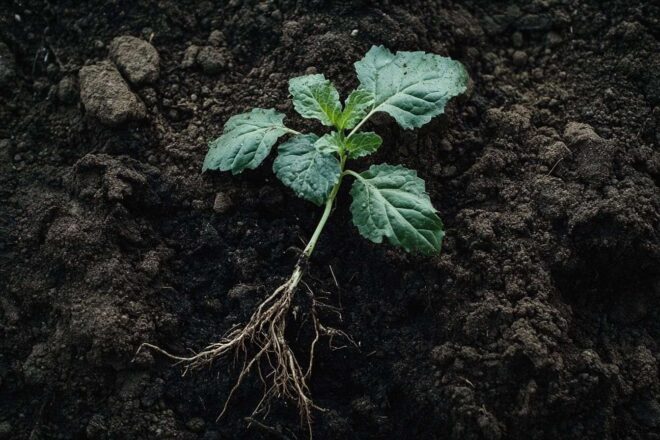
When your plants become uprooted, swift and careful action can make all the difference in their recovery. Understanding essential steps can help restore their health and vitality, ensuring your greenery continues to thrive despite setbacks.
TL;DR
- Act quickly but avoid hasty decisions with uprooted plants.
- Moisten roots and prune damaged parts before replanting.
- Do not fertilize immediately; prioritize gentle care and patience.
The Shocking Sight: When a Plant Lies Uprooted
Few moments unsettle a gardener more than stumbling upon a once-thriving plant lying askew, its roots suddenly exposed to the air and its soil scattered. This distressing scene can stem from any number of unpredictable causes: ferocious winds, the unchecked curiosity of a neighborhood dog, or simply an intense downpour. In such situations, despite the initial rush of panic, seasoned experts recommend resisting impulsive actions while not losing precious time.
Essential First Steps: Assess, Moisten, Prune
The immediate challenge lies in determining whether your beloved plant is salvageable. Inspect the root system carefully—should you notice that most roots are still white and largely intact, hope remains. Gently wrap the roots in moist cloth or paper towel; this prevents rapid dehydration during those critical minutes before you return it to the ground. A swift intervention here can often spell the difference between recovery and loss.
Equally important is pruning. Remove all dead or dying leaves and branches without hesitation. These lifeless parts only drain energy from the plant at its most vulnerable moment. Remember: time above ground is your enemy—the longer a plant remains exposed, the slimmer its odds of survival.
Not All Plants Are Created Equal
It must be acknowledged that some plants weather uprooting better than others. According to horticultural specialists, attempting to revive a specimen that’s suffered irreparable damage may be little more than wishful thinking. However, small perennials or plants displaying healthy foliage and robust roots deserve your rescue efforts. On the other hand, if what’s left resembles compost rather than a living organism, sometimes acceptance is wisest—and perhaps an opportunity for new beginnings in your garden.
Aftercare: Caution Over Fertilization
One question frequently arises after replanting: should you feed your plant to accelerate recovery? The answer is almost always no. Introducing fertilizer immediately after such trauma can do more harm than good—forcing growth could further weaken your green companion. Instead, focus on these essential steps:
- Maintain regular but moderate watering.
- Observe closely over several days for signs of new growth or distress.
- Exercise patience—a full recovery often takes time.
Ultimately, reviving an uprooted plant depends as much on initial damage as on attentive care and timing—a reminder that true gardening skill lies in observation, restraint, and trust in nature’s resilience.