F1 Racing’s Leap to the Screen: From Track to TV
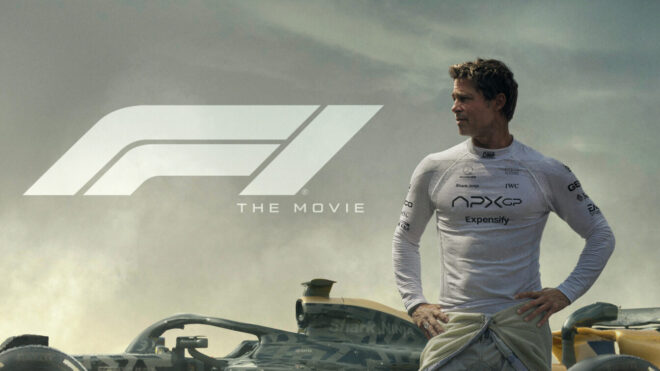
Apple / PR-ADN
The world of Formula 1 is taking a bold leap from the racetrack to the realm of entertainment, as new projects aim to bring the high-octane excitement of motorsport to screens worldwide, captivating both longtime fans and new audiences alike.
TL;DR
- Brad Pitt stars in ambitious F1 film shot during real races.
- Extreme production challenges pushed budget beyond $300 million.
- Joseph Kosinski channels Top Gun: Maverick’s adrenaline and spectacle.
A High-Speed Gamble: The Making of F1
As the engines roared across legendary circuits from Las Vegas to Suzuka, the production of the upcoming film F1 became a story as dramatic as any Grand Prix. Directed by Joseph Kosinski, with Brad Pitt stepping into the world of Formula 1, this cinematic project upended traditional filmmaking rules—choosing the dizzying unpredictability of live races over the safety and control of studio sets.
Pushing Boundaries On and Off the Track
In an audacious move, scenes were captured in the fleeting windows between official races, often with packed grandstands watching. Time was a luxury seldom afforded. As Kosinski explained to Variety, his team frequently raced against the clock, sometimes managing only a handful of takes before cars returned to their pits. At Silverstone, for example, three takes was considered almost miraculous. These circumstances demanded extraordinary flexibility—not just from Pitt, but also from co-star Damson Idris, and the entire crew.
Several factors explain this decision:
- Tight filming schedules squeezed between real Grand Prix events.
- Constant travel: authentic locations ranged from Hungary to Japan.
- An atmosphere where improvisation wasn’t just encouraged—it was essential.
A Familiar Formula with a Fresh Spin?
Observers might notice echoes of another high-octane success helmed by Kosinski: Top Gun: Maverick. Once again, an aging but magnetic star—this time, Pitt—embodies a figure at the top of his game amid high-stakes competition and relentless spectacle. It’s difficult not to wonder whether lightning can strike twice by reviving that potent blend of intensity, charisma, and technical brilliance—now traded for roaring engines and iconic tracks.
The Price Tag for Authenticity—and Adrenaline
Chasing authenticity came at an enormous cost. The reported budget soared past $300 million, placing F1 among the most expensive films ever made. Each logistical hurdle, each last-minute adaptation fed into both spiraling expenses and a palpable sense of risk-taking—a willingness by the Kosinski-Pitt duo to forsake safe choices in pursuit of true cinematic adrenaline. Only time will tell if this daring gamble translates into box office gold or remains an ambitious outlier in film history.