Figure Skating Spins: How Athletes Maintain Balance at 2026 Olympics
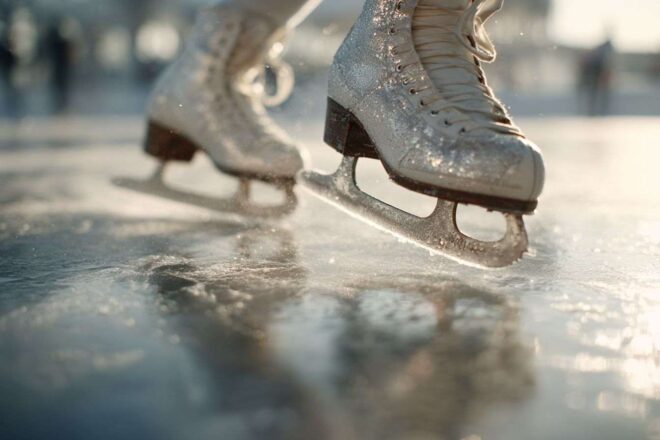
Gros plan de patins à glace glissant sur une patinoire gelée, capturant l'élégance du patinage artistique.
As athletes prepare for the 2026 Olympic Games, figure skaters are captivating audiences with their ability to execute multiple spins at breathtaking speed while maintaining perfect balance. This remarkable skill combines rigorous training, precise technique, and exceptional concentration.
TL;DR
- Figure skaters resist dizziness through intense neural adaptation.
- Training rewires their brains, not special anatomy or tricks.
- The sport’s extreme speed makes classical dancer techniques unworkable.
Unveiling the Secrets Behind Olympic Figure Skating Spins
As the world turns its gaze toward Milan in the winter of 2026, anticipation swirls around the rink where the best in figure skating compete for Olympic glory. Following the celebrated performance by French duo Guillaume Cizeron and Laurence Fournier-Beaudry, attention shifts to singles contenders like Adam Siao Him Fa and Kevin Aymoz. Audiences are spellbound as these athletes execute gravity-defying jumps and breathtaking spins—sometimes spinning through as many as five revolutions without pause.
The Human Brain Versus Dizziness: A Scientific Insight
One question inevitably arises: How do figure skaters manage to avoid the familiar dizziness that plagues most after a few turns? According to Christophe Lopez, a leading researcher at CNRS specializing in vestibular neuroscience, the secret is nestled deep within our physiology. The inner ear brims with sensors relaying motion data to the brain, ensuring balance. When someone spins and stops abruptly—think of a child twirling in play—their eyes flick involuntarily, creating a sensation that the world is still spinning. This is vertigo’s unwelcome arrival.
Yet, remarkably, such discomfort seems absent among elite skaters. Their composure on ice defies what most would consider physically possible.
The Transformative Power of Training and Neural Plasticity
Several factors explain this phenomenon:
- Cerebral adaptation: Years of relentless practice train skaters’ brains to dampen signals from the vestibular system during fast spins.
- No innate advantage: Even champions once experienced dizziness—a fact confirmed by Siao Him Fa, who recalls early bouts of vertigo that disappeared only with rigorous repetition.
- Lifelong skills: Outside competition, their sense of balance functions like anyone else’s; it’s only under specific conditions that their brains suppress typical reflexes.
This refined plasticity doesn’t stem from hidden anatomy or mysterious powers—it’s pure adaptation.
Pushing Human Limits: Why Dance Techniques Don’t Translate
A final nuance sets figure skating apart. Classical dancers use “spotting,” fixing their gaze on a point to steady themselves during turns. Skaters, however, spin so rapidly—up to an astonishing 342 revolutions per minute for stars like Olivia Oliver—that such tactics become impractical. In their world, stability arises solely from painstaking neurological recalibration.
In essence, what captivates us about figure skating isn’t magic but humanity’s remarkable capacity for adaptation—proof that even our senses can be molded by dedication and discipline.