First Movements Lost With Age: Flexibility Decline Explained
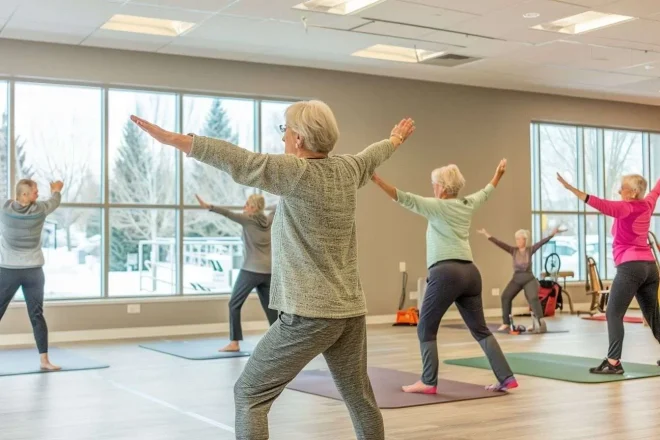
As people age, a gradual loss of flexibility can make certain movements increasingly difficult. Understanding which motions are most affected first sheds light on the early impact of aging on physical mobility and daily activities.
TL;DR
- Flexibility is vital for everyday independence as we age.
- Maintaining balance depends on regular gentle stretching.
- Simple movements become easier with improved suppleness.
The Hidden Value of Flexibility in Aging
While many still associate flexibility with athletic feats or the ability to reach one’s toes, its significance grows far beyond physical performance as the years pass. For older adults, supple joints and muscles quietly underpin the very foundation of daily life—allowing essential actions that often go unnoticed until they become difficult.
The Foundation of Daily Autonomy
With advancing age, maintaining independence relies less on strength and more on mobility. A surprising number of routine activities hinge on sustained flexibility: from getting dressed in the morning to stepping confidently into a shower or navigating stairs. The loss of suppleness can undermine one’s ability to carry out these tasks, subtly eroding autonomy.
Why Balance Hinges on Gentle Stretching
Several factors explain this connection:
- Balance becomes more fragile as muscles and joints stiffen.
- A full range of motion helps prevent dangerous falls.
- Gentle stretches counteract natural age-related declines in flexibility.
Frequent stretching isn’t just about limberness—it plays a crucial role in preserving equilibrium. Regular, gentle sessions help older adults retain a sense of stability, making it less likely they’ll lose their balance during simple movements.
A Small Investment, Significant Gains
For those who worry about launching into complex exercise regimens, the good news is that small, consistent efforts pay real dividends. Short daily routines can bring noticeable improvements: reaching for an overhead shelf or bending down to tie shoes becomes less daunting. These seemingly minor gains collectively add up, preserving confidence and dignity.
Though rarely spotlighted, investing time in gentle stretching can be one of the most practical ways for seniors to maintain their quality of life. As health experts frequently remind us, staying flexible truly supports not just movement—but independence itself—well into the later decades.