Flexibility and Longevity: New Research on Their Strong Connection
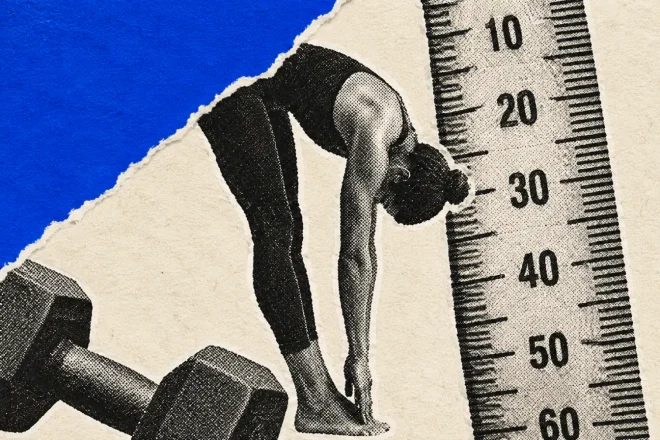
Researchers are increasingly examining the connection between physical flexibility and longevity, seeking to understand how maintaining suppleness may contribute to a longer, healthier life as new studies shed light on this intriguing relationship.
TL;DR
- Greater flexibility linked to lower risk of early death.
- Connection observed in both men and women.
- Findings based on a 13-year-long study.
Unexpected Link: Flexibility and Longevity
New research spanning 13 years has highlighted a connection that might surprise many: people with greater physical flexibility appear to face a lower risk of dying prematurely. This observation, confirmed for both men and women, suggests that stretching beyond just strength or cardiovascular health may hold the key to a longer life.
A Study Spanning Over a Decade
The investigation, which meticulously followed participants for more than a decade, offers compelling evidence that maintaining or improving flexibility could influence one’s lifespan. Researchers assessed participants’ flexibility at the outset and monitored their health outcomes over the years, carefully tracking instances of early mortality. What emerged was a clear trend: those who demonstrated superior flexibility had statistically lower rates of premature death compared to their less flexible counterparts.
Why Might Flexibility Matter?
Several factors help explain this association:
- Flexibility often reflects overall mobility and functional health.
- A flexible body can reduce injury risk, especially among older adults.
- The practice of regular stretching may also encourage other healthy behaviors.
While the study does not claim causality, it strengthens existing research suggesting that physical capabilities such as flexibility—long overshadowed by strength or aerobic capacity—deserve attention for their role in healthy aging.
No Gender Divide in Results
Interestingly, the benefits of better flexibility were observed across genders. Both women and men showed similar trends, indicating that regardless of sex, paying attention to stretching routines could offer protective benefits. This universality underlines the importance of incorporating flexibility exercises into daily life—no matter one’s background or fitness level.
For anyone interested in longevity, these findings offer practical insight: dedicating time to maintaining supple muscles and joints may contribute meaningfully to reducing the risk of early mortality.