Free ChatGPT Teaching Tools: Enhance Classroom Learning Effortlessly
OpenAI / PR-ADN
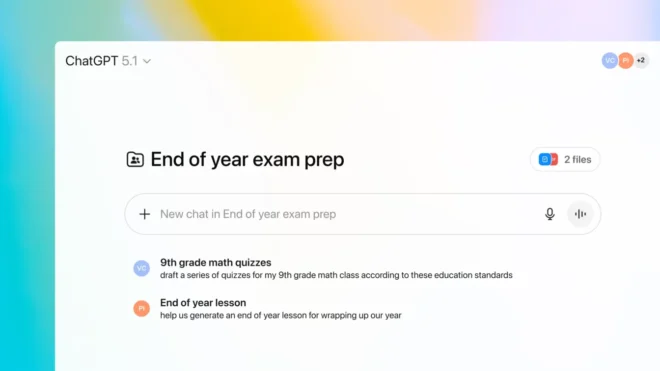
Educators are increasingly turning to ChatGPT as a valuable, cost-free digital assistant in the classroom. This tool offers teachers support in lesson planning, resource creation, and personalized student feedback, enhancing both teaching efficiency and educational outcomes.
TL;DR
- Free ChatGPT for Teachers now available in U.S. schools.
- Saves time: lesson plans, quizzes, translations, and more.
- Aims to reduce workload, not replace educators.
ChatGPT for Teachers: A New Ally in U.S. Classrooms
American educators, often grappling with a chronic lack of resources and overwhelming workloads, now find a potential game-changer at their disposal: ChatGPT for Teachers. This innovative solution, made available free of charge to all primary and secondary school teachers in the United States until June 2027, arrives at a time when teachers routinely dip into their own pockets for classroom supplies and wrestle with endless administrative demands.
Tangible Solutions to Everyday Challenges
While the ed-tech landscape is flooded with flashy tools that rarely deliver on their promises, ChatGPT for Teachers stands out by focusing on practical needs. Several factors explain its rapid adoption:
- Create differentiated lesson plans tailored to students’ varying abilities or academic standards within seconds;
- Design interactive presentations and professional-quality visual materials via seamless integration with Canva;
- Generate adaptable quizzes and engaging activities—multiple-choice tests, educational games, and more—adjustable for any grade or format.
Such versatility doesn’t just support lesson planning—it also streamlines grading, classroom management, and content delivery.
A Boost for Communication and Inclusivity
Perhaps most notably, the tool’s automatic translation feature helps bridge communication gaps between schools and non-English-speaking families—a long-standing challenge in American education. Translating newsletters or report card comments becomes almost effortless. Furthermore, when sudden changes arise—a substitute stepping in at short notice or an unexpected absence—the platform can quickly produce structured project outlines or turnkey lesson sequences. Collaborative project design is simplified too, giving teachers room to focus on what matters most: their students.
Easing the Administrative Burden—Without Replacing Teachers
As debates about artificial intelligence swirl through faculty rooms and social media feeds, some worry that automation could edge out human touch in teaching. However, OpenAI’s intention seems clear: offer a customizable safety net that lets teachers reclaim precious time without undermining their expertise. Personalized suggestions for providing feedback on student work or marking assignments aim to relieve—not supplant—the demanding workload during high-pressure periods.
Activating this service requires little more than professional email verification through the dedicated site. Ultimately, access to such technology offers the promise of calmer, more efficient teaching days—provided educators approach it with both curiosity and discernment. How each teacher integrates this digital assistant remains to be seen, but one thing is certain: the potential benefits are already turning heads across America’s classrooms.