From Controversy to Cinematic Legend: The Enduring Legacy of Scarface
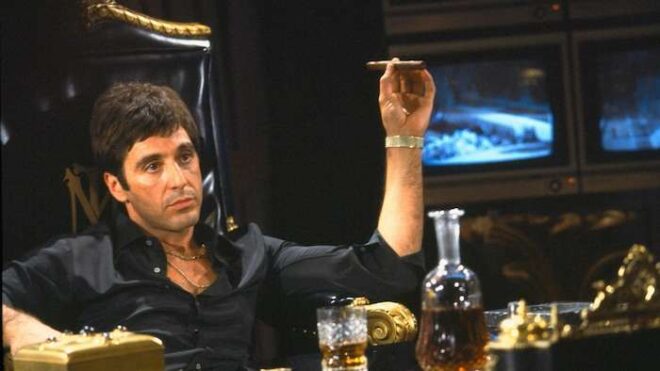
Once a lightning rod for controversy upon its release, Scarface has since evolved into a defining symbol of cinematic culture, capturing the imagination of audiences and critics alike as it made the journey from scandal to icon.
TL;DR
- Both Scarface versions sparked controversy and censorship.
- Brian De Palma’s remake modernized the gangster myth.
- The film remains a cult classic despite scandals.
A Turbulent Legacy: The Making of Scarface
Scarface is a title that never fails to stir debate. Few films have journeyed through decades with as much turbulence—and allure—as both the original 1932 production and its audacious 1983 remake. Whether in the era of prohibition-era gangsters or amid Miami’s cocaine-fueled chaos, each version has left an indelible mark on cinematic history.
Censorship Battles in Classic Hollywood
Looking back to the early 1930s, it’s almost hard to fathom the storm that accompanied the release of Howard Hawks‘ original Scarface, produced by the eccentric mogul Howard Hughes. At that time, America was gripped by a fascination for notorious figures like Al Capone, and Hughes saw an opportunity to outdo crime dramas such as The Public Enemy. With Oscar-winner Ben Hecht crafting a script inspired by Capone’s exploits, expectations were sky-high.
Yet, obstacles loomed from the start. Even before the infamous Hays Code became law in 1934, Hollywood’s censors were vigilant. The so-called Hays Office warned Hughes directly: “Under no circumstance should this film be made.” Despite this, Hughes pressed on, instructing Hawks to depict gangster life as authentically as possible—a choice that triggered relentless pushback. Multiple edits were demanded, moralizing subtitles appended (notably “The Shame of a Nation”), and even endings were scrutinized; death scenes were altered or censored outright. In some states, screenings were flatly banned.
The 1980s Reinvention: Drugs, Excess, and Enduring Scandal
Fast-forward fifty years—controversy found new life when Brian De Palma, responding to a proposal from a then-rebounding Al Pacino, set out to reimagine Scarface for a new generation. This time around, Tony Montana is not a Chicago mobster but a Cuban refugee entangled in Miami’s violent drug scene. The screenplay by Oliver Stone, himself battling addiction at the time (reportedly penning scenes far from temptation in Paris), injected raw urgency into themes of greed, violence, and immigration.
Predictably—or perhaps inevitably—the film provoked outrage upon release in 1983. Critics denounced its graphic violence and bleak portrayal of immigrants. And yet, precisely because of these controversies—or maybe in spite of them—Scarface achieved an unexpected immortality within American cinema.
An Unshakable Icon in Film History
What makes Scarface’s endurance remarkable is not merely its scandalous reputation but also how it continues to fascinate generations. For anyone curious about why certain movies become more than just entertainment—why they become cultural phenomena—Scarface remains a case study. Its legacy proves that confronting taboos can sometimes forge classics rather than bury them.