Genetic Effects of Tanning Beds on Skin Aging Revealed
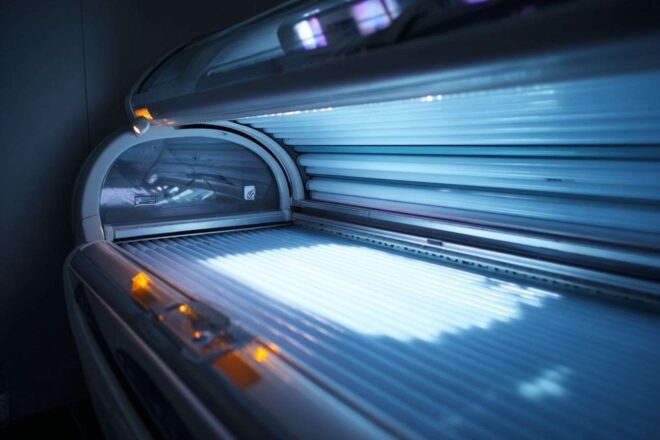
ADN
A team of researchers has revealed new findings on how artificial tanning affects skin aging at the genetic level, providing fresh insights into the long-term consequences of UV exposure from tanning beds and related devices.
TL;DR
- Indoor tanning triples skin cancer risk, study reveals.
- Genetic mutations appear across all exposed body areas.
- Experts urge stronger regulations and early prevention.
A Growing Threat: Artificial Tanning Under Scrutiny
Over the past decade, the popularity of indoor tanning beds has soared, offering a convenient alternative to natural sunlight for those seeking a golden complexion. Yet, the allure of these machines masks dangers far graver than once believed. Recent research conducted by teams at Northwestern University and the University of California at San Francisco (UCSF) underscores just how significant these risks are—often surpassing those associated with natural sun exposure.
Molecular Damage: Genetic Mutations Widespread and Early
Digging into more than 32,000 medical records, scientists identified nearly 3,000 individuals who regularly used tanning beds and compared them with a matched group lacking artificial exposure. Their findings were startling: users of UV lamps exhibited a 5.1% incidence rate of melanoma, a particularly aggressive form of skin cancer, compared to only 2.1% among non-users—a risk nearly three times higher.
But the investigation didn’t stop there. Analysis of pigment cells collected from participants’ skin revealed almost double the number of genetic mutations in tanning bed users versus their counterparts. Dr. Bishal Tandukar emphasized that “the skin of these individuals showed as many mutations as would be expected in people several decades older.”
Tanning Beds: Risks Extend Beyond Sun-Exposed Areas
Unlike traditional sunbathing—which typically affects only parts like the face and arms—artificial tanning devices can inflict DNA damage across the entire body, including areas usually shielded from sunlight such as the lower back or buttocks. Professor Pedram Gerami described this phenomenon as unprecedented, noting that “these genetic precursors now appear everywhere on the skin.”
Experts highlight several key concerns:
- Dramatically elevated melanoma rates, even on normally covered areas.
- Irreversible DNA mutations, making early prevention critical.
- Lax regulations persist despite warnings from authorities like the WHO.
The Case for Stricter Regulation and Awareness
Even though the World Health Organization (WHO) classifies indoor tanning devices among Group 1 carcinogens—alongside asbestos and tobacco—they remain widely available in many countries. Some scientists now call for outright bans on use by minors. As Dr. Hunter Shain pointedly remarks: “A mutation cannot be undone; curbing exposure is absolutely essential.” This mounting evidence seems to leave little room for hesitation when shaping public health policies regarding artificial tanning—prevention may well be our best defense.