George R.R. Martin Discusses His Legacy Compared to J.R.R. Tolkien
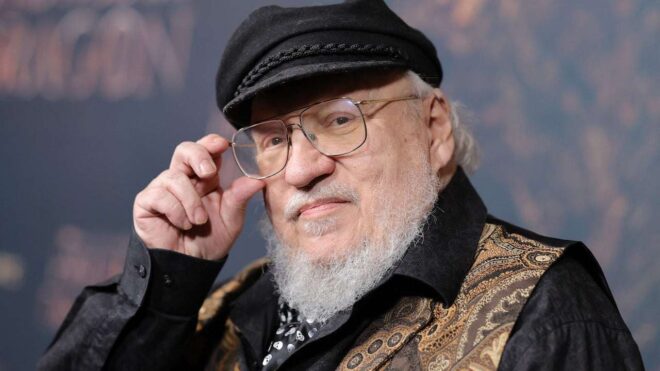
HBO / PR-ADN
George R.R. Martin has opened up about his personal ambitions and the influence of J.R.R. Tolkien on his work, shedding light on how he views his place within the legacy of modern fantasy literature.
TL;DR
- George R.R. Martin deeply admires J.R.R. Tolkien’s influence.
- Tolkien’s tragic storytelling profoundly shaped Martin’s style.
- Adaptations keep Tolkien’s literary legacy in the spotlight.
Enduring Influence of a Fantasy Pioneer
It would be nearly impossible to discuss modern fantasy literature without referencing the towering shadow cast by J.R.R. Tolkien. For contemporary authors like George R.R. Martin, whose celebrated saga “A Song of Ice and Fire” inspired the hit HBO series, that legacy is both a source of inspiration and a benchmark few hope to surpass. Far from feeling daunted by constant comparisons, Martin has openly acknowledged the immense influence Tolkien had on his own literary ambitions.
A Literary Debt Acknowledged—Without Rivalry
While observers often set up a narrative of rivalry or succession between these two giants, Martin himself sees it differently. In a conversation with Grace Dent, he confessed that any enduring interest in his own novels, decades from now, would fill him with pride rather than competitiveness: “If my work is still being read in fifty years like Tolkien’s, I’d be delighted.” For Martin, there’s no contest—just gratitude.
The Power of Tragic Endings
A key element distinguishing Tolkien’s work is its bittersweet conclusion—a quality that left a lasting impression on Martin during his teenage years. Rather than being satisfied with traditional happy endings, Martin was initially unsettled by the profound melancholy at the end of “The Lord of the Rings.” As an adult, however, he came to appreciate how this sadness elevates Tolkien’s writing above its many imitators. When rereading passages such as “the Scouring of the Shire,” Martin finds that genuine loss and sacrifice are what make readers return time after time. Several factors explain this resonance:
- The sense that every victory comes at real cost
- A persistent undercurrent of nostalgia and loss
- The refusal to offer easy resolutions for heroes
Adaptations and Literary Longevity
The continued success of Tolkien’s universe owes much to high-profile adaptations—most notably the film series directed by Peter Jackson, alongside new productions expanding Middle-earth’s lore. Such efforts have kept Tolkien relevant for new generations and ensured his place at the center of cultural conversation.
As Martin strives to complete his own epic series, he hopes for a similar fate: to see his works endure not only because of their intricate plots but because they tap into that same deep wellspring of human emotion—a lesson he openly attributes to his illustrious predecessor, Tolkien.