Giant Iceberg, 30 Times Bigger Than Paris, Threatens Seals and Penguins as It Nears Island
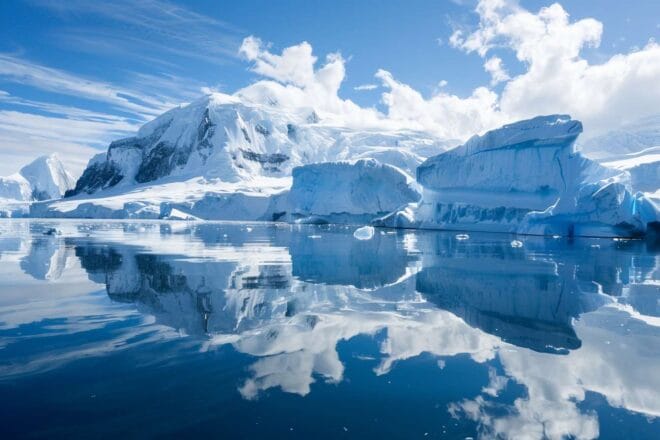
The world's largest iceberg is currently drifting away from Antarctica, posing a risk of beaching and potentially disrupting penguin and seal breeding. What will happen to these species if this occurs?
The Drifting Ice Giant
The largest iceberg on Earth has broken away from Antarctica and is now adrift. Its potential destination? A remote island where it could run aground, threatening the breeding grounds of local penguins and seals.
Satellite Monitoring
This colossal ice mass, spanning 80 kilometers, is under constant satellite surveillance. Having drifted away from Antarctica over the years, the iceberg—larger than the city of Paris—is being steered by currents towards the British island of South Georgia. Oceanographer Andrew Meijers from the British Antarctic Survey notes that unlike others before it, this iceberg has not fragmented during its journey.
What Future Awaits This Iceberg?
Predicting the exact path of the iceberg is challenging, but prevailing currents suggest it will reach the continental shelf of South Georgia in two to four weeks. There, it might either bypass the shelf and drift into the deeper waters of the South Atlantic or collide with the sloping seabed and become lodged for months, potentially breaking into pieces.
This scenario poses a significant risk to wildlife. Ice walls could block seals and penguins from accessing the ocean to feed themselves and their young onshore. “Icebergs have previously stranded here, causing significant mortality among penguin chicks and young seals,” states Andrew Meijers.
An Ancestor Among Icebergs
Known as A23a, this iceberg, also the world’s oldest, detached from Antarctica’s ice shelf in 1986 and remained stuck on the seabed for over 30 years before freeing itself in 2020. “It’s like a massive white wall reminiscent of Game of Thrones, seemingly endless,” describes Andrew Meijers.
It’s crucial to note that while iceberg formation is a natural phenomenon, the accelerated loss of icebergs in Antarctica is likely due to human-induced climate change.