Gladiator 2 Sequel Criticized by Original Movie Star
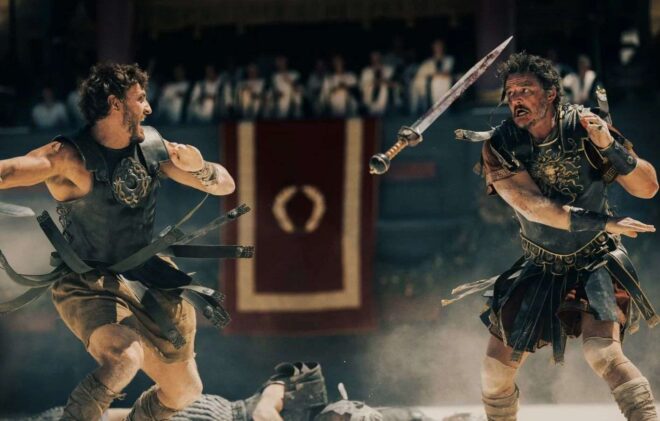
Paramount Pictures / PR-ADN
The forthcoming sequel to Gladiator has sparked significant controversy, as the star of the original film has voiced strong objections. The actor’s disapproval has ignited debate among fans and industry insiders about revisiting the celebrated historical epic.
TL;DR
- Russell Crowe criticizes Gladiator 2‘s moral direction.
- The sequel’s plot choices betray the original film’s essence.
- Crowe unlikely to support rumored third installment.
An Actor’s Disillusionment: Crowe’s Perspective on Gladiator 2
Russell Crowe, whose performance in the original Gladiator remains iconic nearly a quarter century later, has now voiced clear disappointment with its long-anticipated sequel. In a candid conversation with Australia’s Triple J radio, the Oscar-winning actor lamented what he perceives as a fundamental misunderstanding at the heart of Gladiator 2. The new film, despite the involvement of acclaimed talents like Denzel Washington, has faced muted enthusiasm from both audiences and critics—a response that echoes Crowe’s own reservations.
Moral Core vs. Spectacle
For Crowe, the core issue transcends box office numbers or even star power. Reflecting on the franchise’s enduring appeal, he argued that what set the first film apart was not its grand spectacle or action sequences, but rather its “moral core.” As he explained, “The recent sequel—let’s not even name it—is a case where even those at the helm have missed what truly made the original special.” This conviction is hardly new for Crowe, who has regularly emphasized that Maximus’ integrity and ethical struggle formed the backbone of Gladiator’s success.
Narrative Choices Under Fire
Central to Crowe’s criticism is a controversial revelation introduced in Gladiator 2: Lucius, portrayed by Paul Mescal, is presented as the illegitimate son of Lucilla (Connie Nielsen) and Maximus himself. According to Crowe, this narrative twist undermines years of carefully constructed character depth. He recalls persistent pressure during filming to inject romantic or sexual subplots into Maximus’ story—suggestions he resolutely rejected. “To imply infidelity from Maximus,” he noted, “when his entire journey stems from his wife’s tragic murder? That destroys his strength.” Several factors explain this stance:
- A deviation from Maximus’ unwavering moral code.
- The risk of diluting the emotional weight of his motivations.
- A break with established canon respected by fans and cast alike.
The Unlikely Return of a Reluctant Hero
Crowe’s protective relationship with his character dates back to production on the original film. From day one, he challenged script elements he deemed inconsistent, advocating for coherence and honor over dramatic excesses—even describing some early drafts as “rubbish.” This steadfastness leaves little hope for his participation in any future sequels. While rumors swirl regarding a possible third installment, those expecting Crowe’s involvement are almost certain to be disappointed.
By re-examining both storytelling priorities and creative choices, Crowe’s critique serves as a timely reminder: sometimes the heart of a story matters more than its spectacle.