Gluten-Free Foods: How French Health Insurance Offers Reimbursement
ADN
France’s national health insurance system offers partial reimbursement for certain gluten-free foods such as bread, pasta, and galettes. This support helps individuals with gluten intolerance manage higher grocery costs associated with specialized dietary needs.
TL;DR
- Gluten-free king cake now partly reimbursed by Social Security.
- Only coeliac patients with official diagnosis are eligible.
- Debate arises over essential nature and social equity.
A New Chapter for Gluten-Free Treats in France
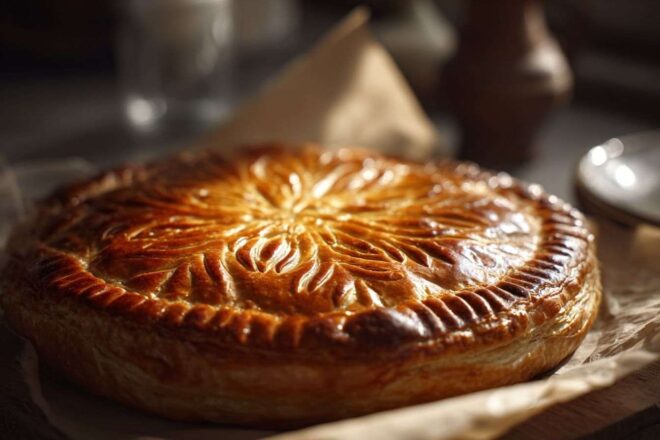
A remarkable shift is unfolding in the world of French pastries: the beloved galette des rois, traditionally enjoyed during Epiphany, has now entered the arena of partial reimbursement by the French Social Security system—at least, for a select group. The move was sparked by the Normandy-based bakery Le Petit Minotier, known for its expertise in gluten-free baking, which recently launched a version of this festive cake tailored specifically to those with coeliac disease. Priced at around 18 euros and available in flavors such as frangipane, chocolate-almond or apple, this pastry stands out for another reason: eligible consumers can claim a three-euro reimbursement.
The Mechanics of Reimbursement: Who Benefits?
This unprecedented arrangement isn’t open to all who avoid gluten. Only individuals officially diagnosed with coeliac disease—confirmed through an intestinal biopsy—are entitled to seek reimbursement. The galette’s packaging includes a special barcode, making it possible for these patients to access the benefit. The process follows established practice: according to the Association Française des Intolérants au Gluten (AFDIAG), products are reimbursed at 60% of the official rate listed on the national list of reimbursable goods, while some supplemental insurance plans may cover the remaining amount.
More broadly, the scheme already covers key products for diagnosed individuals:
- Pain, pasta, flours and biscuits that are certified gluten-free (eligibility conditions apply)
Monthly reimbursement caps stand at 45.73 euros for adults or children over ten years old, with a lower ceiling of 33.54 euros for younger children.
The Daily Struggle and Lingering Debates
Navigating life with coeliac disease involves much more than mere dietary inconvenience. As one representative from AFDIAG puts it: “Coeliac disease destroys the intestine if gluten is ingested; there’s no medication—only lifelong strict dietary management.” This mandatory regimen is not only vital but also significantly costlier, given higher prices for specialty flours and extra manufacturing precautions against contamination. Despite wider supermarket availability, many French families continue to feel the pinch.
Nevertheless, only about 1% of France’s population are genuinely affected by coeliac disease—even if up to 7% avoid gluten entirely according to data from Because Gus.
A Question of Equity or Necessity?
Not everyone is pleased with including such festive items in reimbursable products. Critics argue that a king cake should not be prioritized over staples like bread or pasta; others counter that both categories serve essential social functions beyond simple nutrition. Advocates suggest that embracing these moments helps ensure those with medical dietary needs aren’t excluded from cultural traditions—a subtle but powerful gesture toward greater social inclusion. Ultimately, this development is less about indulgence than about recognizing varied facets of health and belonging within French society.