Godzilla Minus One Black and White Theatrical Re-Release Announced
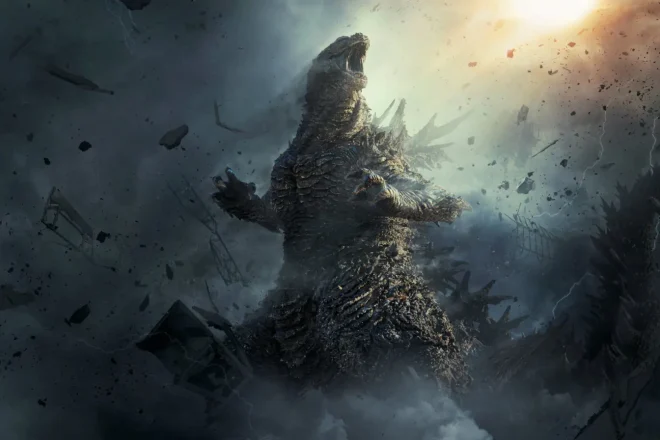
The acclaimed film Godzilla Minus Zero is set to return to cinemas with a special black-and-white release, offering audiences a new visual experience and reviving the classic monster movie atmosphere for both longtime fans and newcomers.
TL;DR
- Godzilla Minus One returns to cinemas December 11.
- New version will be in black and white.
- This release pays tribute to the film’s original era.
A Classic Roars Back: Godzilla Minus One Returns
In a move sure to delight long-time fans, the acclaimed film Godzilla Minus One—directed by Takashi Yamazaki—is set for a fresh run in theaters this December. More than just a standard re-release, this new edition offers a distinctive twist that sets it apart from previous screenings.
A Cinematic Homage in Black and White
Perhaps the most striking feature of this new version is its presentation: audiences will experience the story entirely in black and white. This creative choice serves as an intentional nod to the mid-20th century roots of the iconic monster franchise. By removing color, Yamazaki aims to evoke the atmosphere of early kaiju cinema, paying homage to the original era when Godzilla first stomped onto screens.
Date Announced for Limited Release
Cinephiles and monster movie enthusiasts should mark their calendars for December 11, when this special edition will hit theaters once again. The timing feels apt as nostalgia for vintage cinema continues to capture public attention worldwide. Industry insiders suggest that limited releases like this can reignite interest among both dedicated followers and newcomers alike.
Why This Revival Matters Now
Several factors explain this decision:
- Renewed fascination with classic cinematic techniques.
- A desire to reconnect audiences with film history.
- The persistent cultural resonance of the Godzilla legacy.
In recent years, Hollywood has often turned to black-and-white releases as a way to emphasize mood, deepen storytelling, or simply offer something unexpected. With Japanese cinema’s enduring global influence, it seems fitting that Yamazaki’s reinterpretation would bridge modern filmmaking with the visual language of its origins.
As anticipation grows for this singular event, moviegoers may find themselves reflecting on how much—despite all our technological advances—a return to simplicity can still pack an emotional punch. For many, it’s less about spectacle and more about rediscovering what made these monsters so unforgettable in the first place.