Google Bets on Carbon Dioxide Batteries to Store Renewable Energy
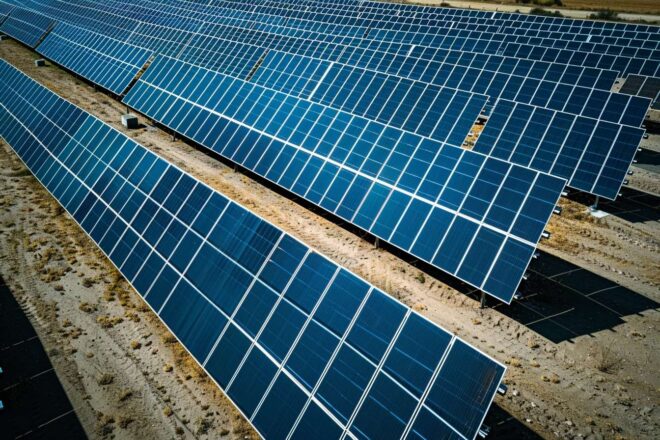
Google is investing in a new type of battery technology that uses carbon dioxide to store renewable energy. This approach aims to address the challenge of storing solar and wind power, making clean energy more reliable and widely available.
Tl;dr
- Google partners with Energy Dome for CO₂ battery tech.
- CO₂ batteries enable up to 24-hour renewable energy storage.
- This move aims at global digital infrastructure decarbonization.
A Bold Step: Google Backs CO₂ Battery Innovation
In a development that few saw coming, Google has announced a strategic alliance with Milan-based startup Energy Dome. The partnership signals a remarkable shift in the tech giant’s approach to renewable energy: it is now betting on the relatively novel technology of the CO₂ battery. This marks not only a technical milestone but also the first time that Google is investing directly in the long-duration energy storage (LDES) sector—an area previously unexplored at this scale by the company.
The Mechanics Behind CO₂ Battery Technology
At the heart of this innovation lies an unconventional method for storing excess wind and solar power. Rather than relying on traditional lithium-ion batteries, which typically offer only four hours of effective storage, Energy Dome‘s system takes advantage of carbon dioxide. When renewable production exceeds demand, surplus electricity compresses CO₂ gas into a liquid. Later—often when neither sun nor wind is available—that liquid CO₂ expands back into its gaseous state under pressure, spinning a turbine to return electricity to the grid. The process can supply power for as long as twenty-four hours, marking a significant departure from existing solutions.
It’s perhaps worth outlining why this approach is garnering so much attention:
- Efficacy: Capable of storing and releasing energy over a full day.
- Scalability: Offers faster deployment compared to other green techs.
- Sustainability: Supports major tech firms’ environmental commitments.
Pursuing Continuous Clean Power—Ambitions and Challenges
This partnership aligns closely with one of Google‘s most ambitious goals: powering all its operations exclusively with renewables every hour of every day by 2030. The company describes this vision as « continuous clean energy operation ». To achieve it, they need far more robust storage capabilities than current lithium-ion technology can provide. With CO₂ batteries promising up to twenty-four hours of autonomy, this collaboration might help close that gap—a crucial step if digital infrastructure worldwide is ever to be fully decarbonized.
A Global Signal for Energy Transition?
The potential impact stretches beyond just one company’s sustainability targets. As executives at Google have suggested, widespread adoption of CO₂ battery systems could accelerate the broader transition to renewables while simultaneously reducing overall costs. If successful, this union between European ingenuity and Silicon Valley resources might mark a pivotal turning point—not just for big tech, but for how industries everywhere approach decarbonization in an increasingly digital world. For now, all eyes remain on whether these early bets will deliver lasting results.