Grandma’s Secret Tip to Make Cauliflower Gratin Extra Delicious
ADN
A classic cauliflower gratin can reach new heights of flavor with a simple, time-honored trick passed down through generations. This beloved culinary secret promises to elevate the dish, making it even more irresistible for family and guests alike.
TL;DR
- Texture is key to a successful cauliflower gratin.
- Prolonged cooking softens and transforms the vegetable.
- Simple tricks help win over even reluctant eaters.
A Classic Dish That Divides Families
For many, the arrival of a steaming dish of cauliflower gratin at the dinner table evokes mixed reactions—especially from children, though not a few adults grimace as well. Memories of bland school lunches can overshadow even the most golden, cheesy topping. But behind this humble dish lies a subtle culinary tradition, honed over generations by patient home cooks.
The Real Secret: Transforming Texture
Contrary to what some might assume, simply piling on extra cheese does little to disguise the distinctive character of cauliflower. The key, according to culinary journalist Annabelle Schachmès, is not in masking flavor but in radically altering the texture. Traditional recipes often leave florets intact—recognizable and off-putting for picky eaters. However, seasoned cooks have long embraced what might be called strategic “overcooking.” As highlighted in the pages of the Journal des Femmes, boiling the cauliflower for twenty to thirty minutes ensures extreme tenderness. Only then is it mashed directly into the baking dish, creating a base that is meltingly soft and nearly unidentifiable.
A Quick Guide to Creamy Cauliflower Gratin
Several factors explain this transformation into a crowd-pleaser:
- Prolonged boiling yields very tender cauliflower, ready for mashing.
- The rough purée is blended with milk, flour, and seasonings before being dotted with butter—or a choice of flavorful cheeses like emmental or comté.
- Bake at 180°C for about forty-five minutes until golden and bubbling.
Addressing another common concern—the lingering odor during cooking—cooks recommend tossing a slice of bread or half a lemon into the pot or adding a pinch of bicarbonate of soda. For those seeking variety or richness, adding leftover poultry or a spoonful of cream cheese can elevate the dish’s creaminess.
Culinary Wisdom That Wins Over All Ages
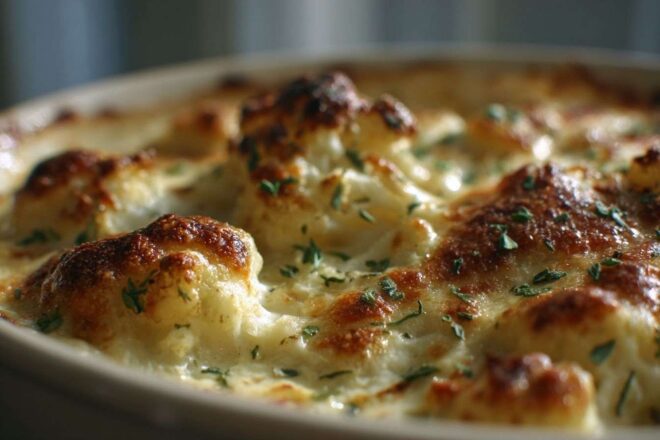
Ultimately, it’s this careful manipulation of texture that turns skeptical faces into satisfied smiles. When prepared properly, the once-polarizing vegetable becomes enveloped in a soft, golden crust—so transformed it scarcely betrays its origins beneath all that lusciousness. This quiet culinary trick proves time and again that skillful handling trumps any attempt at mere concealment, bringing families together around an unexpectedly harmonious meal.