Greenland-US Security Agreement: America Gains Control Over Defense
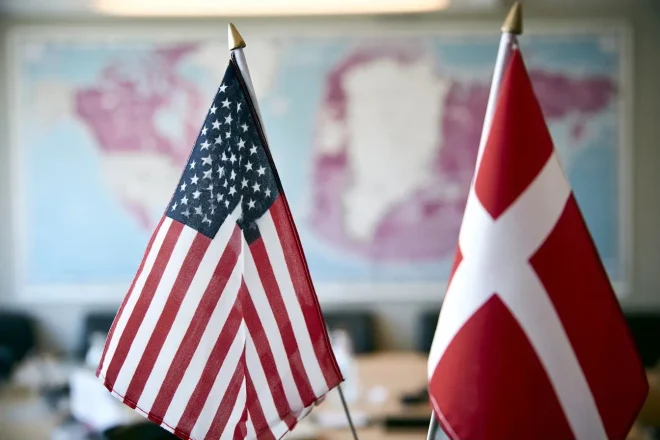
An agreement between Greenland and the United States has granted Washington significant influence over the island’s security affairs, highlighting Greenland’s growing strategic importance and reshaping the balance of power in the Arctic region.
TL;DR
- U.S. gains permanent security oversight in Greenland.
- Denmark approves after lengthy diplomatic negotiations.
- Major shift following months of bilateral tensions.
A Turning Point for Arctic Security
After months of intricate diplomatic negotiations, a significant agreement has emerged between the United States and Denmark. The deal grants the U.S. enduring control over security operations in Greenland, a move with far-reaching consequences for both nations as well as the strategic landscape of the Arctic.
The Road to Compromise
Relations between Washington and Copenhagen have faced notable strain in recent months, with differences centered on the future role of American forces on the world’s largest island. Only after a series of high-level talks and careful bargaining did Danish authorities ultimately give their official approval, recognizing the growing importance of Greenland in matters of regional stability and defense.
Why Greenland Matters More Than Ever
Several factors explain this decision:
- Greenland’s strategic location, bordering critical Arctic shipping routes.
- The ongoing expansion of foreign military activity in the region.
- The increased significance of resource-rich Arctic territories for Western interests.
As these realities become more pronounced, securing an enduring presence has become a key priority for American policymakers—especially given mounting global competition over the polar region.
A New Era for U.S.-Danish Cooperation
The new arrangement not only marks a major shift from past policy but also underlines Copenhagen’s willingness to recalibrate its long-standing partnership with Washington in response to contemporary threats. Observers suggest this compromise could serve as a blueprint for how allies adapt to evolving geopolitical challenges, particularly in unpredictable environments like the Arctic.
While questions remain about local autonomy and the potential impact on indigenous communities, officials from both countries insist that mutual trust and ongoing dialogue will guide implementation. All eyes now turn to how this bold step will shape security dynamics in northern latitudes for years to come.