Guillermo Del Toro Chose Pan’s Labyrinth Over Fantasy Movie Adaptation
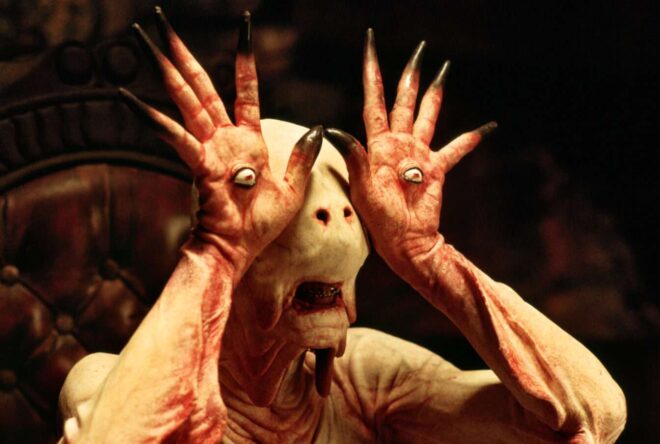
Warner Bros. Pictures / PR-ADN
Guillermo Del Toro made the pivotal decision to abandon a planned fantasy film project, ultimately choosing to direct Pan's Labyrinth instead. This choice significantly shaped his career and contributed to the enduring legacy of the acclaimed 2006 dark fantasy.
TL;DR
- Guillermo del Toro declined directing Narnia for personal vision.
- He created Pan’s Labyrinth, earning critical and Oscar acclaim.
- His independent path led to diverse and celebrated film projects.
A Defining Artistic Decision
When faced with the prospect of directing the high-profile adaptation of C.S. Lewis’s beloved fantasy, The Chronicles of Narnia: The Lion, the Witch and the Wardrobe, director Guillermo del Toro made a decision that would shape his career. Approached by Disney in 2005, the acclaimed Mexican filmmaker opted not to bring this religiously-tinged world to life. Citing his complex relationship with faith as a former Catholic, Del Toro admitted that the idea of portraying Aslan—a Christ-like lion resurrected from death—did not resonate with him. He explained, “I don’t preach stories about a resurrected lion. My storytelling is about disobedience and choice, reflecting my own perspective on children’s fantasy literature.”
An Unconventional Path: The Birth of Pan’s Labyrinth
Turning away from such a major studio project could have derailed many careers, but for Del Toro it sparked extraordinary creativity. Rather than immerse himself in biblical allegory, he poured his energy into writing and directing the hauntingly original Pan’s Labyrinth. Set in post-Civil War Spain under Franco’s rule, the film follows young Ofelia as she escapes her oppressive reality through encounters with mysterious, otherworldly creatures. Here, Del Toro masterfully blends historical trauma with fantastical elements—examining both the porous boundary between reality and imagination and the harsh violence faced by children in adult conflicts.
Narnia’s Uncertain Legacy and New Beginnings Elsewhere
Meanwhile, Andrew Adamson, previously recognized for his work on Shrek 2, stepped into Del Toro’s place on the Narnia project. The first film became a blockbuster success, generating over $745 million at the global box office. However, interest waned with its sequel—The Chronicles of Narnia: Prince Caspian. Diminishing returns eventually prompted Disney to abandon what had become a financially risky franchise.
Today, as streaming giant Netflix gears up to revive Narnia under director Greta Gerwig, best known for her smash hit Barbie, Del Toro has moved well beyond franchise constraints—most recently completing an acclaimed adaptation of Frankenstein.
A Legacy of Creative Independence
Several factors explain this enduring artistic freedom:
- A willingness to explore diverse genres—from superhero tales like Hellboy 2, to mecha spectacle in Pacific Rim, to Oscar-winning romance in The Shape of Water.
- A refusal to be boxed in by major studios or sprawling franchises.
- An insistence on weaving personal vision into every project—even at financial risk.
In retrospect, passing on Narnia opened new doors for Del Toro—inviting both unpredictability and immense critical recognition. His journey stands as testament to the rewards of pursuing one’s unique creative path over blockbuster certainty.