Happily Ever After: Pioneering Inclusivity in Animation Before Its Time
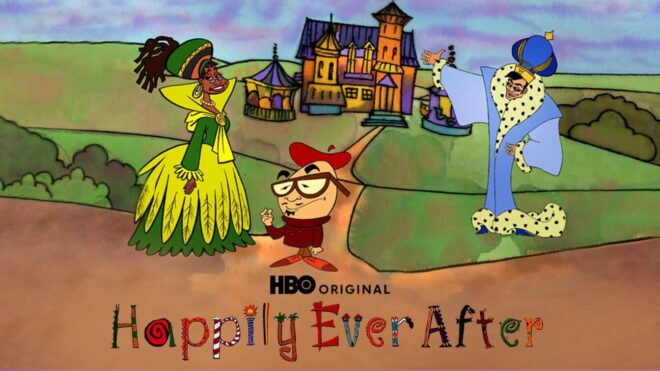
Long before diversity became a mainstream focus, the animated film Happily Ever After showcased inclusive themes and characters. Its early approach to representation paved the way for broader acceptance and visibility within the animation industry.
TL;DR
A Bold Take on Fairy Tales
Back in the late 1990s, as the American entertainment industry tentatively embraced broader representation, a remarkable project quietly redrew the boundaries of children’s animation. Airing from 1995 to 2000 on HBO, Happily Ever After: Fairy Tales for Every Child reinterpreted classic European stories by setting them in unexpected and diverse cultural landscapes. Instead of familiar German castles or Scandinavian moors, viewers were transported elsewhere entirely—imagine Beauty and the Beast unfolding in North Africa or Cinderella reinvented as a Latina heroine. Even Snow White found herself among Native American characters in the American Southwest.
An All-Star Cast Breaks New Ground
What truly set the series apart was its astonishing roster of guest stars. Bringing together talents from all walks of life, it’s still difficult today to find an ensemble as wide-ranging. Denzel Washington voiced multiple roles—including a memorable king in Rumpelstiltskin—while icons like Whoopi Goldberg, the vocal group Rockapella, and hip-hop duo Salt-n-Pepa helped breathe new life into familiar tales such as Mother Goose. The episode centered on Henny Penny surprised audiences with appearances from major public figures such as Rudy Giuliani, Henry Kissinger, and Jesse Jackson. This impressive lineup underscored both the show’s magnetism and the genuine enthusiasm it inspired among celebrities.
The Ambition—and Its Shortcomings
Of course, even with its ambition for universal appeal, Happily Ever After rarely ventured outside European and North American traditions. Only once did it step beyond this comfort zone—with an adaptation of Ali Baba and the Forty Thieves featuring Jurnee Smollett. One could wish that more Asian, African, or South American folklores had been explored; instead, the show leaned heavily on reimagining well-known stories rather than introducing children to entirely new traditions.
For clarity, here’s what made the series unique:
Ahead of Its Time?
Looking back today—especially now that it streams on HBO Max—one might be struck by how prescient this project really was. Long before media giants like Disney set The Princess and the Frog in Louisiana bayous, Happily Ever After: Fairy Tales for Every Child was already pushing at the boundaries of representation. Yes, its pacing sometimes betrays its ’90s origins; yet revisiting this series now reveals not only a rare snapshot of early inclusivity but also a vital piece of television history deserving more than mere nostalgia.