Harvard Doctor Explains Eyelid Twitching Causes Beyond Stress
ADN
A Harvard physician sheds light on the possible reasons behind eyelid twitching, highlighting that while stress is a common trigger, several other underlying factors may also be responsible for this often harmless but sometimes concerning phenomenon.
TL;DR
- Blinking spasms are usually harmless and temporary.
- Stress, fatigue, and screen time can trigger eye twitching.
- Consult a doctor if symptoms persist over two weeks.
Understanding Eyelid Twitching: When Should You Worry?
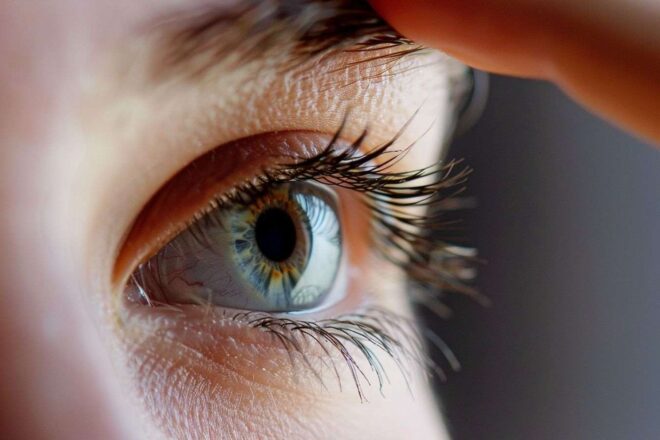
An unexpected flutter of the eyelid—a subtle yet persistent twitch—often catches us off guard. While many instinctively blame stress or lack of sleep, it’s tempting to dismiss these spasms as fleeting annoyances. But according to Harvard-trained Dr Saurabh Sethi, this common occurrence deserves more attention, especially if it becomes frequent or lingers longer than expected.
Common Triggers Behind Eyelid Spasms
Most instances of involuntary eyelid movement, known medically as myokymia, resolve without intervention. Experts have identified several familiar factors that frequently contribute to these spasms:
- Fatigue or inadequate sleep
- Caffeine overload or consumption of energy drinks
- Prolonged screen exposure, leading to dry eyes
- Irritants such as dust, wind, or harsh lighting
- Nutritional imbalances, particularly low magnesium levels
- Certain medications and lifestyle choices like alcohol or tobacco use
According to data from UCLA Health, these rapid contractions rarely signal anything serious, though they may recur throughout the day.
When Benign Becomes Concerning
While a single episode is usually nothing to worry about, there are warning signs that warrant professional advice. Dr Sethi emphasizes vigilance if any of the following occur: the spasm lasts beyond two weeks, the eyelid completely closes during contractions, or other facial muscles begin to twitch. These symptoms may point to a deeper neurological concern and should prompt a visit to your healthcare provider. The guidance from institutions such as the NHS UK echoes this approach—generally reassuring but clear about when persistence requires action.
A Sensible Approach to Eye Twitching
Ultimately, experiencing an occasional eyelid spasm is more often a reflection of our modern routines—think stress-filled days, screens at every turn, and dietary shortcuts—than a sign of underlying illness. Most will find relief by reducing stressors or adjusting daily habits. Nevertheless, staying attentive is key: while most cases are minor inconveniences, ongoing symptoms deserve medical attention for peace of mind.
So, no need for immediate alarm over a rebellious eyelid—but keeping an eye on persistent changes remains sound advice.