Harvard Human Trial Explores New Glaucoma Vision Restoration Method
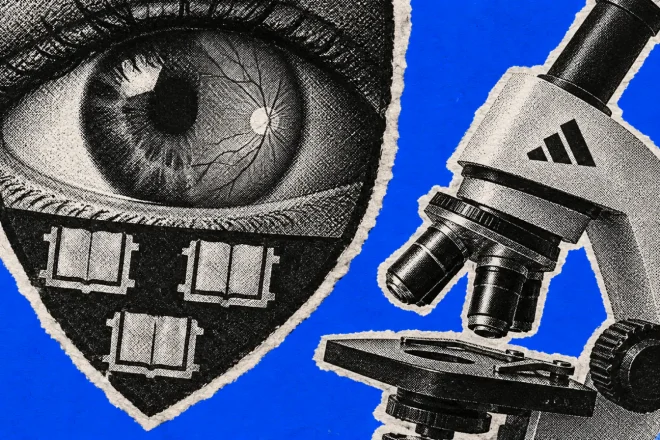
Researchers at Harvard are exploring a new approach to vision restoration in glaucoma patients, launching human trials to assess its potential. This initiative marks a significant step in the search for effective glaucoma treatments.
TL;DR
- Harvard tests therapy to reverse glaucoma vision loss.
- Focuses on rejuvenating specific retinal cells.
- Clinical trial aims to restore lost sight.
A Pioneering Step in Glaucoma Research
In a significant development for ophthalmology, a team at Harvard is currently evaluating an innovative approach designed to address one of the leading causes of irreversible blindness: glaucoma. The clinical trial seeks to go far beyond symptom management, venturing into the ambitious realm of vision restoration for those who have already lost sight due to the disease.
The Science Behind the Therapy
What distinguishes this study from prior efforts is its focus on rejuvenating particular retinal cells that play a pivotal role in transmitting visual information. Researchers are testing a method that aims to biologically “rejuvenate” these key cells, potentially reversing damage rather than merely halting further degeneration. This approach represents a major departure from conventional treatments, which typically work by lowering eye pressure or attempting to preserve whatever vision remains.
How the Therapy Could Change Lives
The stakes are high: should the therapy succeed, it could transform treatment paradigms for millions affected by glaucoma worldwide. Several factors explain this potential shift:
- The focus is on actually restoring lost vision, not just prevention.
- By targeting cellular aging in the retina, scientists hope to address a root cause of degeneration.
- This could pave the way for similar strategies against other forms of blindness.
A Glimmer of Hope—and Cautious Optimism
While results from this early-stage trial remain forthcoming, there is cautious optimism among both researchers and patients. Any advance that moves from managing symptoms to repairing underlying damage could signal a true breakthrough. For now, all eyes are on the progress at Harvard, as experts in vision science and patients alike await news that could reshape expectations about what’s possible in treating irreversible blindness.
This quietly ambitious project stands as a testament to how close collaboration between academic research and clinical practice can move medical boundaries—and perhaps soon offer new hope where once there was none.