HBO’s Westworld: Why It Almost Became Sci-Fi’s Greatest Masterpiece
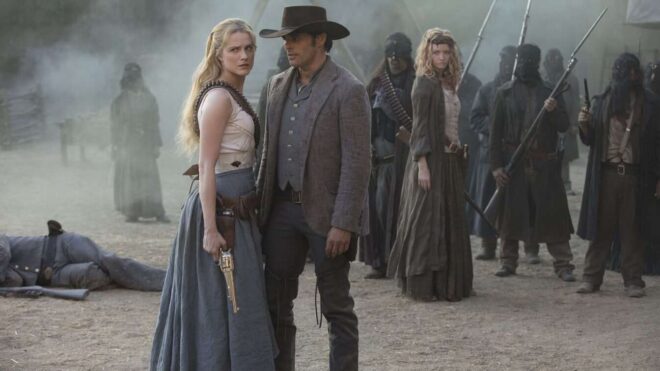
HBO / PR-ADN
HBO's ambitious series Westworld drew acclaim for its innovative storytelling and complex themes, capturing the imagination of science fiction fans. Despite its promise and striking visuals, the show ultimately fell short of achieving undisputed masterpiece status.
TL;DR
- Westworld began with huge promise and ambition.
- Narrative complexity ultimately alienated a segment of viewers.
- HBO canceled the show before its intended conclusion.
A Bold Gamble in Science Fiction
For decades, HBO has been synonymous with groundbreaking television, its portfolio brimming with cultural juggernauts like The Sopranos, Game of Thrones, and witty comedies such as Veep. Yet, amid this impressive lineage, one genre remained curiously underexplored: science fiction. Occasional forays—think the critically lauded but underseen Station Eleven, or the enigmatic, supernatural-leaning The Leftovers—offered glimmers of potential. But it was with the arrival of Westworld, an audacious reimagining of Michael Crichton’s 1973 film, that HBO appeared ready to redefine its approach to speculative storytelling.
Spectacle and High Expectations
Back in 2016, anticipation for Westworld’s debut bordered on feverish. The premise—a theme park where wealthy guests interact with lifelike androids in ethically fraught scenarios—was both provocative and visually ambitious. Reports of a staggering $25 million invested in the pilot episode alone underscored HBO’s commitment; every lavish frame testified to this confidence. The first season quickly found acclaim as a benchmark for contemporary sci-fi television, blending intricate narratives with deep philosophical inquiry into morality and free will. Add to that the gravitas brought by performers like Anthony Hopkins and Evan Rachel Wood, along with Ramin Djawadi’s haunting score, and it seemed HBO had struck gold.
Narrative Ambition: Boon or Burden?
However, sustaining such momentum proved daunting. While calling it a collapse would be unfair—episodes like “Kiksuya” still drew praise for their emotional depth—the narrative grew increasingly convoluted over time. Several factors explain this decision by the creative team:
- Narratives intentionally opaque to outsmart fan theories;
- Sacrifice of organic suspense for manufactured plot twists;
- Struggles in maintaining viewer engagement across seasons.
With each new twist, some viewers found themselves adrift in labyrinthine plots that risked prioritizing surprise over coherence.
The Unfulfilled Promise
As ratings waned, HBO made the difficult call to halt Westworld after four seasons—just shy of delivering a definitive conclusion many fans hoped for in a fifth installment. For those invested from the outset, this ending felt abrupt, even bittersweet; after all, Westworld had once been heralded as a possible heir to Game of Thrones’ pop culture throne. Nevertheless, at its best, Westworld remains an emblem of what intelligent sci-fi can achieve on television—even if it stands today as one of modern TV’s most tantalizing “what ifs.”