Health Experts Highlight Three Types of Red Meat With Elevated Health Risks
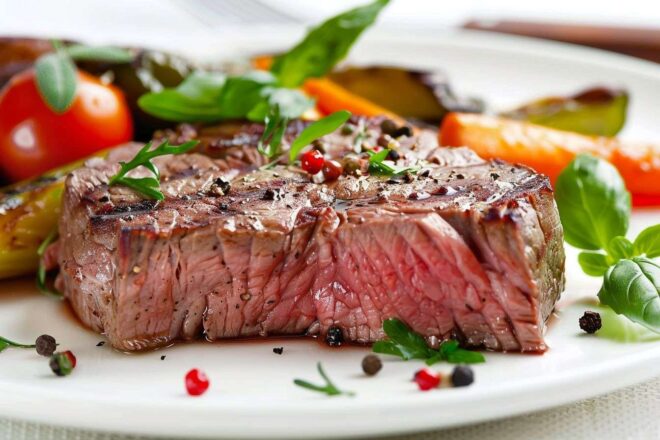
Health experts have raised concerns about three specific types of red meat, highlighting their potential risks to public health. These varieties have come under scrutiny due to research linking them to negative health outcomes and prompting calls for greater awareness among consumers.
TL;DR
The Enduring Place of Red Meat
Despite shifting nutritional trends, the popularity of red meat in North America has hardly waned. An impressive 63% to 74% of the population continues to eat these products daily, propelling a market now estimated at nearly $500 billion. For companies and household brands dealing in steaks, burgers, and similar fare, such numbers spell ongoing commercial success. Yet, as appetites remain robust, so too do debates about red meat’s role in a healthy diet—an issue that has grown increasingly urgent among public health experts.
What Exactly Counts as Red Meat?
Not all animal protein is created equal—something dietitian Kearson Petruzzi stresses when discussing the definition of red meat. The term covers the flesh of quadrupeds such as beef, veal, pork, lamb, and venison. Their signature deep hue comes from myoglobin, a natural pigment present in greater amounts than in poultry or fish. This distinction is more than skin-deep: it underscores unique nutritional profiles and health implications.
Nutritional Value Meets Health Concerns
Advocates often point to the remarkable nutrient density found in red meats. A typical serving—about 170 grams or 6 ounces—delivers up to 42 grams of high-quality protein along with essential minerals like iron, zinc, selenium, and vitamin B12. These properties have earned red meat a respected place in balanced diets—at least in moderation.
However, this enthusiasm must be tempered with caution. Mounting evidence signals trouble for those who indulge too frequently. Research conducted at the University of Oxford drew a clear connection: consuming just an extra daily portion (50g) of processed meats such as bacon or salami hikes heart disease risk by 18%. The main culprits? Elevated saturated fat and sodium content inherent to industrially processed products. Further studies published in The Lancet highlight a parallel: regular intake boosts type 2 diabetes risk by 15%. The World Health Organization, not mincing words, now includes red meat among “probable carcinogens” (group 2A).
To summarize key risks:
A Call for Moderation and Variety
The science may be unsettling for some but doesn’t demand total abstinence. Most nutritionists advocate integrating red meat sensibly into one’s diet—avoiding overconsumption while diversifying sources of protein. In today’s food landscape, mindful choices remain the best recipe for balancing tradition with long-term wellbeing.