Hidden Dangers: Chemical Pollution and Toxicity Test Limitations
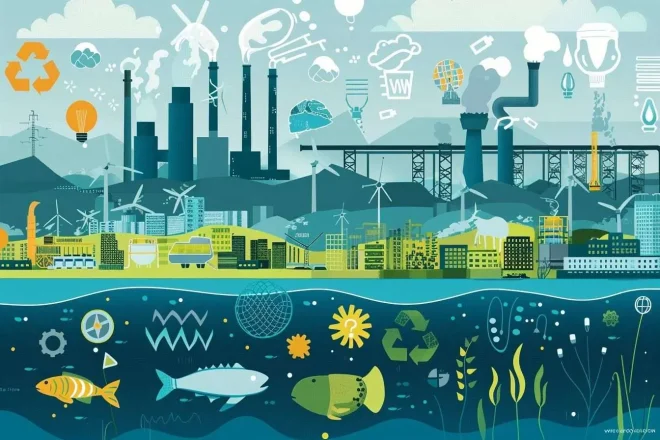
Chemical pollution remains a largely overlooked issue in current toxicity testing, with significant gaps in understanding its real impact. Experts warn that existing evaluation methods fail to fully address the complex risks posed by chemical contaminants.
TL;DR
- Report reveals gap between lab tests and real exposures.
- Daily life involves complex chemical mixtures, not single toxins.
- Potential risks for environment and human health underestimated.
Chemical Mixtures: A Hidden Risk in Daily Life
Concerns over the effects of PFAS—per- and polyfluoroalkyl substances—have taken a new turn with the publication of a recent report warning that existing toxicological assessments may drastically underestimate their dangers. While scientists have traditionally studied such chemicals one by one under controlled laboratory conditions, this approach, according to the findings, fails to capture the realities of human exposure.
The Limits of Conventional Toxicology
For decades, regulatory agencies and health authorities have relied on isolated testing to determine safe levels for individual chemicals like PFAS. However, experts argue this method is increasingly out of step with modern lifestyles. In the real world, people encounter a complex cocktail of substances every day: from cleaning products to food packaging, from industrial emissions to personal care items. The risk posed by these mixtures—rather than any single component—remains largely unaccounted for in current regulations.
Understanding the Scale of Exposure
This disconnect has significant consequences. The report’s authors point out that ignoring how chemical compounds interact can mask potential threats to both human health and the environment. Several factors explain why this gap persists:
- Toxicological tests rarely reflect realistic exposure scenarios.
- Regulations are slow to adapt to scientific advances about mixtures.
- Cumulative effects are notoriously difficult to predict or model.
Because our bodies—and our ecosystems—are continually exposed to numerous pollutants simultaneously, risks may be compounded in ways that single-chemical assessments cannot foresee.
A Call for Overhaul in Safety Standards
Raising an implicit alarm, the report underscores a pressing need for regulators and policymakers to reconsider how they evaluate chemical safety. As evidence mounts that the old methods might be insufficient, there is growing pressure on institutions such as public health agencies, environmental watchdogs, and international standards bodies to update their frameworks. A more nuanced understanding of chemical interactions could prompt new research priorities and ultimately influence policy decisions impacting millions.
Given what’s at stake—the health of populations and the balance of our natural environments—the question now is whether regulatory science will catch up with this challenging reality.