Hidden Energy Drain: How Plugged-In Chargers Waste Electricity
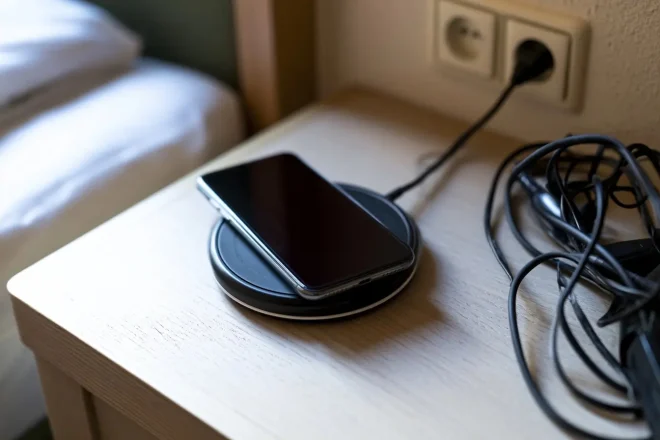
Many people leave their chargers plugged in around the clock, unaware that these devices continue to draw small amounts of electricity even when not actively charging. This overlooked energy consumption contributes to higher utility bills and unnecessary power waste.
TL;DR
- Idle chargers still use electricity when plugged in.
- Individually minor, the effect grows across households.
- Reducing waste is possible with simple daily habits.
The Hidden Cost of Idle Phone Chargers
A phone charger left plugged in without a device attached continues to draw power—a fact that often escapes notice in our day-to-day routines. While each individual charger may only consume a negligible amount of energy, the cumulative impact within a single household, let alone across millions, can quickly add up.
Understanding Standby Power Consumption
The phenomenon, known as standby or “phantom” power, refers to electrical devices drawing current even when not actively being used. In the case of your mobile phone’s charger, simply leaving it connected to the wall—without any device charging—results in continuous, low-level electricity use. This usage is generally minimal per charger, but becomes more significant as more unused chargers remain plugged in throughout homes.
The Broader Impact on Households
Several factors explain this growing concern:
- Energy waste: Multiply one charger’s idle consumption by several per home.
- Cumulative cost: Minor usage scales up at the national or global level.
- Sustainability: Unnecessary consumption contributes to larger environmental issues.
Modern lifestyles involve a multitude of electronic gadgets and accessories. The proliferation of devices—from smartphones to wireless headphones—means many people have multiple chargers left constantly connected. Over time, this practice subtly inflates electricity bills and adds strain to power grids.
Simple Steps Toward Energy Efficiency
Fortunately, addressing this invisible source of waste does not require drastic lifestyle changes. Unplugging chargers when not in use represents an easy habit with measurable benefits for both household budgets and environmental sustainability. As utility prices rise and climate concerns sharpen public focus on energy efficiency, small steps such as these become increasingly meaningful.
In essence, while the power drawn by an unused charger might seem trivial at first glance, collectively it forms a part of the broader challenge facing today’s energy-conscious society. By becoming more attentive to everyday habits—no matter how minor they appear—each household can play a role in reducing unnecessary electricity consumption.