How AI Is Making Vatican Mass More Accessible to All
ADN
The Vatican is embracing artificial intelligence to enhance accessibility for its Mass, leveraging advanced technology to reach a wider audience and break down barriers for people who previously faced challenges participating in its religious services.
TL;DR
- Live translations now offered at Saint Peter’s Basilica.
- AI tool delivers 60 languages via simple QR code.
- Lara blends human expertise with cutting-edge technology.
A Technological Leap for Sacred Spaces
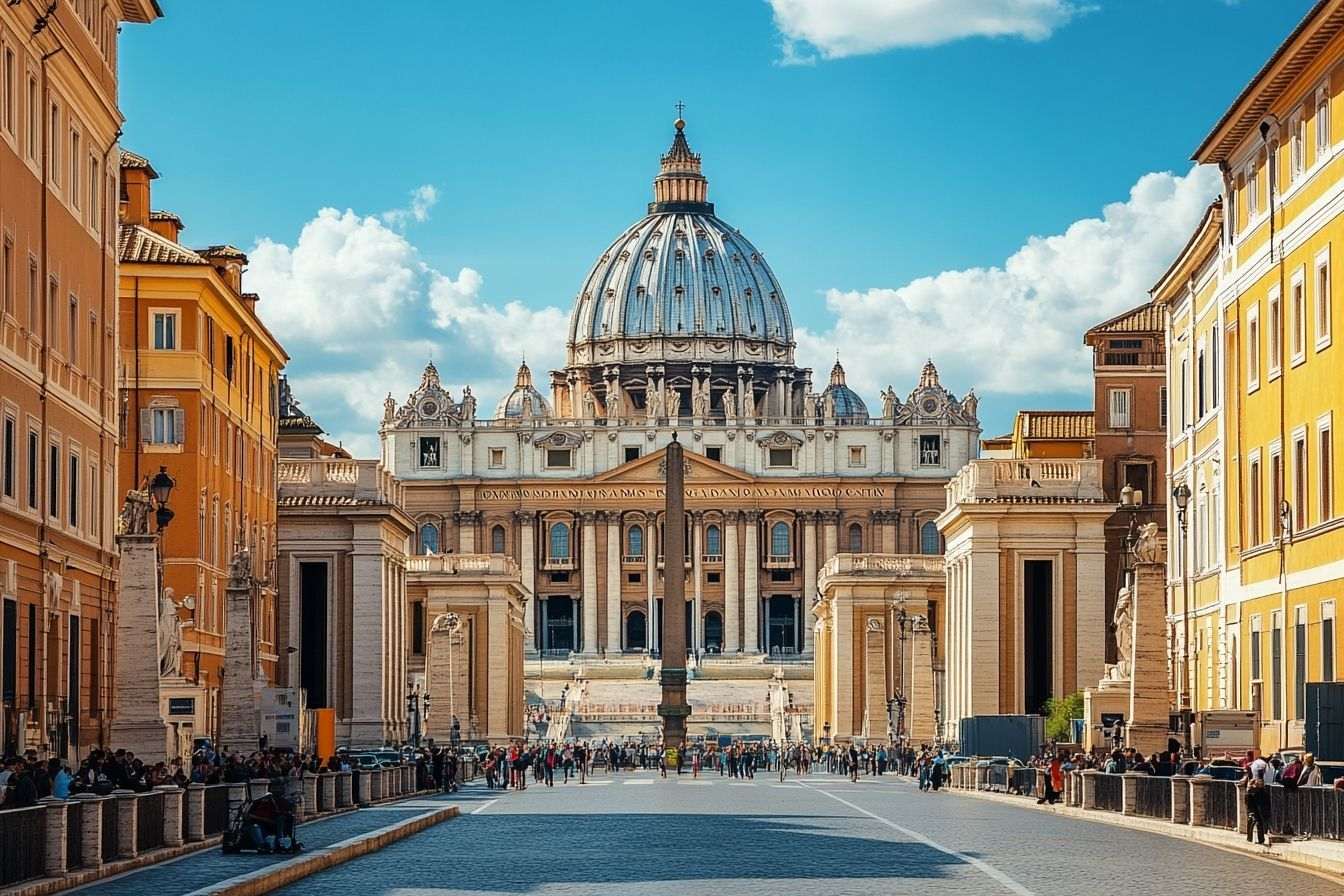
As the boundaries between tradition and modernity blur, even the world’s most revered spiritual sites are embracing innovation. In a move that signals both ambition and openness, Saint Peter’s Basilica at the heart of the Vatican is introducing a new service: live translations of liturgical celebrations, instantly accessible in sixty different languages.
Simplicity at the Service of Pilgrims
Gone are the days when international pilgrims had to grapple with language barriers during major ceremonies. The process is refreshingly straightforward—attendees simply scan a QR code upon entering the basilica. Instantly, they can access either written or audio translations directly through their web browser—no need for an app or technical setup. This seamless integration ensures that visitors from all corners of the globe can connect more deeply with the spiritual essence of each service.
The Role of Human-Guided Artificial Intelligence
Central to this initiative is Lara, an advanced artificial intelligence solution developed by language technology firm Translated. Launched in 2024, Lara distinguishes itself by drawing upon the insights and sensitivity of over half a million professional native translators. The result? Translations that not only strive for accuracy but also respect the profound spiritual meaning embedded in liturgical texts—a delicate balance between precision and reverence.
Several factors explain this decision:
- Simplicity: No downloads; immediate use via browser.
- Linguistic diversity: Coverage across 60 languages for true inclusivity.
- Human touch: AI enriched by native-speaking professionals.
A Vision Rooted in Faith—and Forward-Thinking
The project carries significant weight for church leadership. Cardinal Mauro Gambetti, archpriest of Saint Peter’s Basilica, emphasizes that this step is about more than just technological prowess. By making sacred words universally accessible, he sees the initiative as aligned with the Church’s enduring mission to welcome all believers, regardless of origin or language. The cardinal remains mindful, however—embracing these advances “with prudence and discernment,” recognizing both promise and responsibility as faith intersects with digital innovation.
While questions linger regarding ethical and practical implications, one message emerges clearly: the Vatican intends to keep its doors—and its message—open to everyone, harnessing new tools while honoring centuries-old traditions.