How Air Quality During Pregnancy Affects Your Baby’s Health
ADN
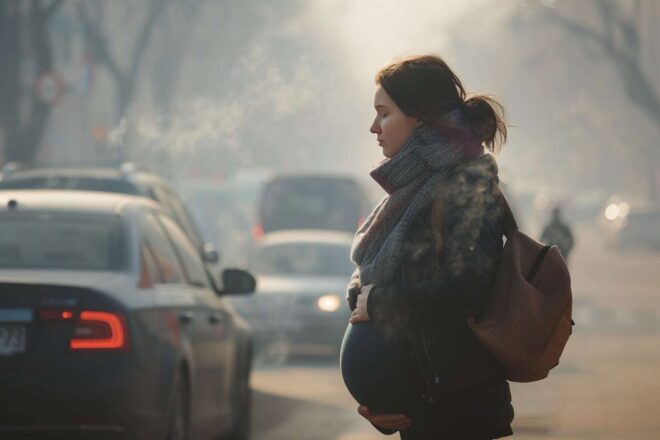
Expectant parents face growing concerns about air quality and its impact on fetal development. Understanding crucial information about pollution risks and preventative measures is essential to safeguarding the health of both mother and unborn child during pregnancy.
TL;DR
- Poor air quality increases pregnancy risks and complications.
- High AQI linked to premature birth, low birth weight.
- Precautionary steps help minimize exposure during pregnancy.
A Rising Public Health Priority
Once considered a background concern, the impact of air pollution on maternal and infant health is now attracting growing attention from both healthcare professionals and the general public. With episodes of urban smog on the rise, understanding and responding to environmental risks during pregnancy has become far more than a niche issue—it’s emerging as a key aspect of maternal well-being.
The Unseen Challenge for Expectant Mothers
While anticipation and excitement often characterize pregnancy, few consider the hidden threat posed by daily air quality. The physiological transformations experienced by expectant mothers bring heightened vulnerability to environmental hazards, particularly those associated with poor outdoor air. Among these threats, atmospheric pollution stands out for its often underestimated effects on both mother and baby.
AQI: A Critical Indicator for Pregnancy Outcomes
Scientific research has increasingly documented the strong links between the Air Quality Index (AQI)—a measure of ambient pollution—and adverse outcomes during gestation. Several studies suggest that elevated AQI levels correlate with a higher risk of premature delivery. The culprit? Microscopic particles found in polluted air that may disrupt fetal development, sometimes triggering early labor. Equally worrying is the association between subpar air quality during pregnancy and lower birth weights—a factor recognized by many specialists as increasing the likelihood of subsequent medical challenges for newborns.
Everyday Actions Can Make a Difference
Although completely avoiding pollution can be unrealistic, health experts emphasize that even small improvements in air quality can significantly reduce risks to mothers and their unborn children. Several factors explain this approach:
- Use specialized apps or websites to monitor real-time AQI data.
- Avoid outdoor activities when pollution levels spike; prioritize well-ventilated indoor spaces equipped with HEPA air purifiers.
- Steer clear of busy roads and industrial zones whenever possible.
- If exposure outdoors is unavoidable, wearing a particulate mask offers added protection.
In truth, integrating these habits into daily life requires persistence and awareness—but according to medical authorities, every small gesture counts toward protecting both maternal and infant health. As science continues to reveal new dimensions of the relationship between environment and pregnancy, vigilance and proactive steps remain essential.