How Body Imbalance Accelerates Aging: Causes and Solutions
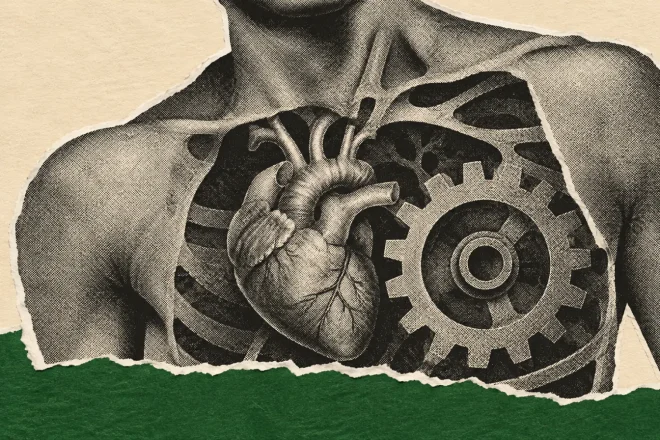
As populations around the world grow older, new research is focusing on how imbalances within the body may contribute to the challenges of aging, raising questions about whether physical disharmony plays a central role in age-related decline.
TL;DR
- Aging linked to body systems’ coordination loss.
- Wear and tear less central than once thought.
- New theory reshapes understanding of human aging.
A Shift in How We View Aging
A quiet revolution is underway in the scientific understanding of aging. For generations, researchers and the public alike have attributed the gradual decline associated with getting older to relentless cellular and tissue damage—a process often referred to as simple “wear and tear.” Yet now, a compelling new theory suggests that the root of the matter may lie elsewhere: in a growing failure of coordination among the body’s main physiological systems.
The Body’s Systems: Not Just Isolated Parts
Proponents of this idea argue that our bodies function not as disconnected organs, but as intricately synchronized networks. As youth fades, it’s not solely that cells become damaged or that organs individually weaken. Rather, what appears to erode most significantly is the harmony between major systems—such as the nervous, circulatory, immune, and endocrine systems. These vital networks gradually lose their ability to communicate effectively, undermining overall health.
From Wear and Tear to Coordination Loss
Several factors explain this shift in thinking:
- Evidence points to increased health problems when communication between bodily systems falters.
- Traditional models focusing on individual organ failure do not capture all aspects of aging-related decline.
- Modern medical technologies can now measure system interactions with unprecedented precision.
Recent research indicates that even before obvious physical symptoms emerge, subtle signs—like slower response times or altered immune reactions—can reflect weakening inter-system coordination. This insight challenges longstanding beliefs and opens up new avenues for both prevention and treatment.
Implications for Future Health Strategies
If the loss of coordination proves central to human aging, then medical approaches might shift dramatically. Rather than simply repairing damaged tissues or treating isolated conditions, therapies could target improving communication across body systems. Early detection techniques may also be refined to identify discord among these networks before irreversible damage sets in.
Ultimately, this evolving perspective on aging does more than update a textbook definition—it holds promise for redefining how society cares for its elders. While scientific consensus will require time and further evidence, the theory already encourages researchers—and indeed all of us—to consider aging through a far more interconnected lens.