How Fructose Impacts Fat Absorption and Obesity Risks
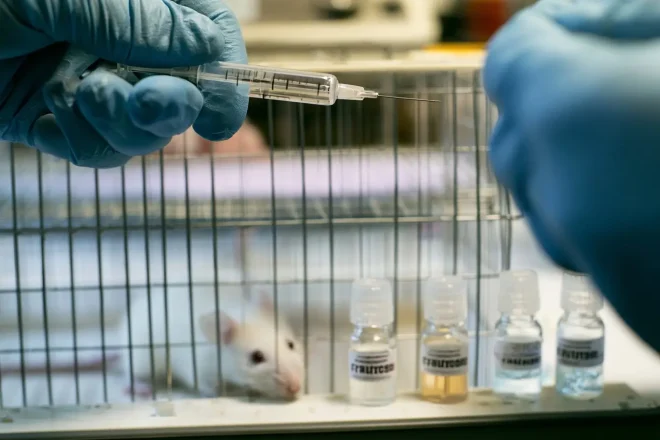
Emerging research suggests that fructose may influence how the body absorbs fats, potentially playing a more significant role in obesity than previously thought. Scientists are now investigating the complex interactions between this sugar and lipid metabolism.
TL;DR
- Study links fructose to increased fat absorption in mice.
- Findings offer new insight into obesity mechanisms.
- Fructose’s intestinal role may be more significant than thought.
Rethinking Fructose: Surprising Links to Fat Absorption
Fresh research has placed the spotlight on fructose, a sugar commonly found in fruits and added sweeteners, suggesting its effects may extend far beyond mere sweetness. In a controlled laboratory setting, researchers have observed that mice exposed to higher levels of this sugar displayed notably greater absorption of dietary fats through their intestines.
Unpacking Obesity: A Closer Look at Sugar’s Role
The classic narrative surrounding the causes of obesity often focuses on calorie intake and general diet quality. However, these new findings challenge such assumptions by emphasizing the unique impact of specific sugars like fructose. It appears that the presence of fructose in the digestive tract could prime the intestines to take up more fats—a mechanism that might contribute to fat accumulation and weight gain in ways not previously recognized.
Key Mechanisms Identified by Scientists
Several factors explain this potentially crucial connection between fructose and fat absorption:
- Fructose alters intestinal cell behavior, increasing their capacity for lipid uptake.
- The effect is distinct from other sugars such as glucose.
- This enhanced fat absorption could help explain rising obesity rates, particularly where fructose-rich diets are prevalent.
Avenues for Further Research—and Public Health Implications
While these results derive from studies conducted on mice, they open up important questions about how human digestive systems might react similarly to high-fructose consumption. Such discoveries hint at a need for renewed scrutiny of dietary guidelines, particularly as processed foods and sweetened beverages containing substantial amounts of fructose remain widespread. Could modifying our intake have tangible effects on public health? The scientific community is likely to explore this line of inquiry with increasing urgency.
Ultimately, the study offers an intriguing perspective: not all sugars act alike within our bodies, and some—like fructose—could quietly drive biological processes linked to major health challenges. The debate over sugar’s place in our diets is unlikely to cool down anytime soon.