How Heatwaves and Storms Impact Railways: Upgrade Solutions Needed
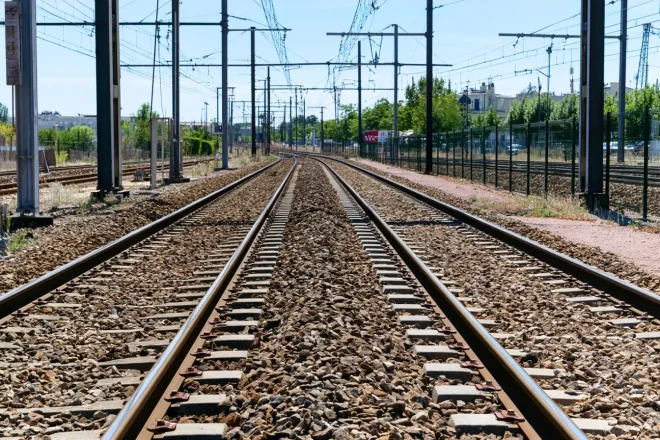
As heatwaves and storms become more frequent and intense, the rail industry faces mounting challenges to maintain safe and reliable operations, prompting urgent discussions about modernizing equipment and infrastructure to adapt to these shifting weather patterns.
TL;DR
- Extreme weather costs SNCF over €100 million.
- Rail sector faces challenges despite low CO2 emissions.
- SNCF rethinks priorities amid climate risks.
A Heavy Toll from Extreme Weather
Over the past few years, mounting heatwaves and unpredictable storms have dealt a harsh blow to the finances of SNCF, France’s flagship rail company. With repair and prevention expenses soaring beyond €100 million, the situation has compelled rail executives to reconsider their strategy—despite the sector’s reputation for low carbon emissions.
The Environmental Paradox of Rail Transport
While the rail network is frequently lauded for its minimal environmental footprint, these recent events reveal an unexpected vulnerability. As temperatures rise and weather events become more severe, infrastructure designed for milder conditions struggles to keep up. Tracks buckle under intense heat, electronic signals malfunction during violent storms, and service interruptions multiply. This paradox leaves those championing sustainable transport facing difficult decisions: should investments prioritize further environmental gains, or shift towards shoring up resilience?
A Shift in Priorities for SNCF
Several factors explain this ongoing reassessment:
- The financial drain caused by frequent repairs and emergency interventions.
- An urgent need to adapt infrastructure to withstand extreme climate conditions.
- The growing imperative to maintain reliability for millions of daily passengers.
As a result, resources once earmarked for expansion or modernization may be redirected toward immediate adaptation measures. The scale of the challenge is unprecedented—even by international standards—and requires creative solutions from both engineers and policymakers.
Looking Ahead: Rethinking Rail Resilience
As the reality of climate change becomes ever more tangible for companies like SNCF, their capacity to respond effectively will be closely watched. Investment choices made today could define the future of French public transport—balancing sustainability with robustness in the face of adversity. For now, however, it’s clear that managing climate risks has become a central concern alongside reducing emissions on Europe’s iconic railways.