How Kimchi Boosts Immune System: New Study Findings
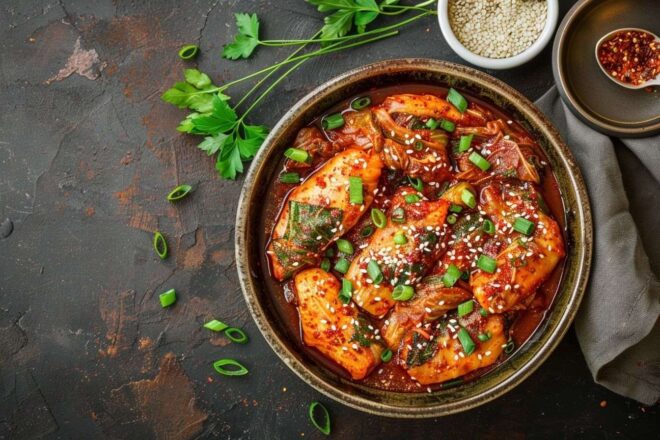
ADN
A recent study sheds light on the ways kimchi, the traditional Korean fermented dish, influences essential immune system functions. Researchers have identified specific mechanisms through which kimchi may help support and regulate human immunity.
TL;DR
- Kimchi may selectively boost immune response in adults.
- Study found effects without triggering inflammation.
- Larger trials needed to confirm health impact.
Exploring Kimchi’s Role in Immune Health
New research is shining a light on the potential link between the traditional Korean dish, kimchi, and the body’s immune defenses. While it has become an international culinary star, kimchi—made primarily from fermented cabbage and spices—is increasingly drawing scientific attention for its possible benefits beyond taste.
A Closer Look at the Study
The most recent investigation into kimchi’s effects recruited just thirteen overweight adults for a twelve-week trial. Participants were divided randomly: some received a placebo, while others consumed daily capsules containing 30 grams of freeze-dried kimchi. Researchers compared two fermentation processes—one naturally occurring and another using a specific bacterial starter culture—to see if different microbial compositions would influence results.
Unlike many studies that rely simply on dietary questionnaires, this approach allowed direct measurement of blood markers before and after the intervention. Scientists examined a spectrum of immune cell populations, hoping to trace how kimchi intake might shift biological responses.
Key Findings: Immune Modulation Without Inflammation
Several factors explain why this study stands out:
- Selective activation of antigen-presenting cells (APCs) and genes acting as molecular switches was observed following kimchi supplementation.
- This led to enhanced activity of helper T-cells—the coordinators of our immune response—without triggering widespread or damaging inflammation in tissues.
- The other major immune cells remained largely unaffected, suggesting a targeted rather than global effect.
Interestingly, both naturally fermented and starter-culture kimchi delivered similar results, with only slight advantages noted for the controlled process. Unsurprisingly, no measurable benefit was detected in those receiving the placebo.
The Future of Fermented Foods in Nutrition Science
Yet, experts caution against overinterpretation: with such a small sample size and no direct evidence showing reduced infection rates or chronic inflammation in daily life, these findings remain preliminary. Still, they strengthen the hypothesis that foods rich in beneficial bacteria—like kimchi, but also yogurt, kefir, or sauerkraut—may help fine-tune our immune systems through their impact on the gut microbiome.
Although researchers have yet to define an optimal dose or frequency for consuming fermented foods, integrating a range of these products into one’s diet seems a prudent step toward supporting both gut and immune health—pending larger and more definitive studies. For now, kimchi retains its place at the intersection of tradition and modern science, promising more discoveries ahead.