How Often Should You Change Kitchen Sponges to Prevent Bacteria?
ADN
Kitchen sponges are notorious breeding grounds for bacteria, raising concerns about hygiene in food preparation areas. Understanding how often to replace or clean these everyday tools is essential to prevent the spread of harmful microbes and protect household health.
TL;DR
- Kitchen sponges harbor bacteria and spread contamination.
- Regular disinfection or replacement is essential.
- Use dedicated sponges for different tasks.
Hidden Risks Lurking in Everyday Sponges
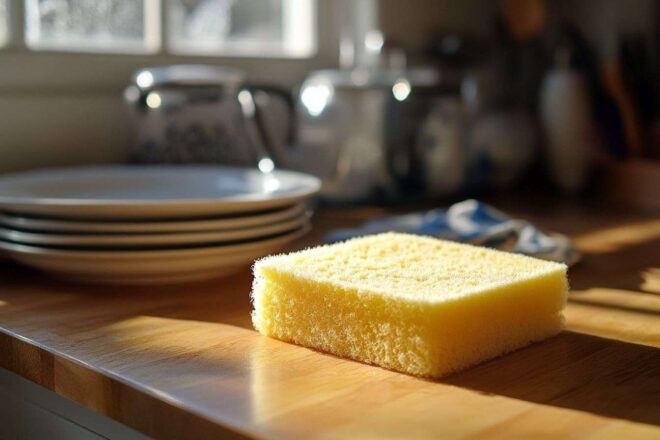
For many households, the humble kitchen or bathroom sponge is a trusty ally. Yet, this seemingly innocuous tool conceals a less reassuring truth: it’s a perfect breeding ground for bacteria. As virologist Océane Sorel, known online as The French Virologist, underscores, the countless pores in a sponge lock in both moisture and food particles—creating ideal conditions for microbial growth.
Cross-Contamination: The Real Threat
Few realize that these colonies of bacteria do not remain trapped within the sponge. They’re mobile—spreading effortlessly from one surface to another. Sorel warns that “cross-contamination” poses a tangible danger: bacteria can hitch a ride from the sponge to your hands, then on to countertops, utensils, and even the food you’re preparing. If resistant strains survive household cleaning products, the risk of foodborne illness increases—a scenario not as rare as many would like to believe.
Essential Habits for Safer Cleaning
Several factors explain how to curb these risks:
- Squeeze out sponges thoroughly after each use, leaving them to dry on a well-ventilated or upright holder.
- Assign specific sponges for separate tasks—dishes, surfaces, or bathroom cleaning should never mix.
- Avoid using a sponge to clean up blood; this only encourages further microbial proliferation.
The Golden Rule: Regular Renewal or Disinfection
What’s the bottom line? Either replace your household sponge every week or disinfect it just as often. The two methods endorsed by specialists include microwaving a damp sponge on high for two minutes, or boiling it in water. At any sign of wear or odor, don’t hesitate—discard it immediately. Given how easily an unassuming sponge can become a vector for unwelcome germs, extra caution is warranted in order to keep your home environment healthy and prevent unpleasant surprises from lurking under your nose.