How Scream Franchise Now Reflects What It Once Criticized
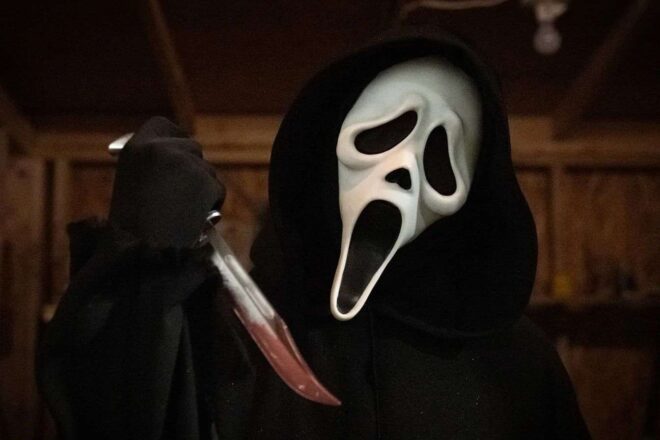
Woods Entertainment / PR-ADN
Once a sharp critique of slasher film clichés, the Scream franchise has evolved over time, gradually adopting many of the predictable tropes and formulas it originally set out to parody in the horror genre.
TL;DR
- Scream revolutionized horror by critiquing its own genre.
- The franchise became formulaic, losing its sharp commentary.
- Nostalgia now overshadows innovation in recent installments.
A Film That Redefined Horror Conventions
Almost three decades after its release, Wes Craven’s Scream continues to echo through the halls of film history. Arriving in 1996, when the slasher subgenre had seemingly run its course after a decade of repetition, the film distinguished itself by turning a critical lens on horror’s own mechanics. Characters in Scream weren’t just victims—they were self-aware commentators, dissecting the genre’s clichés as events unfolded around them. This tongue-in-cheek approach felt like a curtain call for slashers, hinting at both an ending and a fresh beginning for horror.
The Paradox of Mainstream Success
Despite its satirical edge, Scream wasn’t relegated to cult status; it became a blockbuster, earning nearly $173 million worldwide from a modest budget. Such triumph inevitably sparked sequels, with Craven and screenwriter Kevin Williamson swiftly returning with Scream 2. The sequel upped the ante, lampooning not just masked killers but also Hollywood’s obsession with franchises through clever devices like the fictional film “Stab.” However, as follow-ups continued, the original’s incisive humor started to fade—each new installment seemed to lean more heavily on established formulas.
Nostalgia Over Innovation
Over time, what began as an irreverent deconstruction transformed into something more reverential. Later entries appeared less interested in challenging conventions than in memorializing them. The films grew preoccupied with referencing their own legacy—showcasing props from earlier movies and constructing elaborate tributes to themselves. Instead of shaking up the rules, recent chapters have largely settled into repeating them.
Several factors explain this evolution:
- Nostalgic callbacks eclipse creative risks or narrative reinvention.
- The sharp self-awareness that once defined the series now feels muted.
- The franchise risks becoming what it once parodied: another predictable slasher.
A Franchise Caught in Its Own Trap
So here we are: a saga that set out to mock stale horror traditions finds itself entangled in those very patterns. Ironically, by critiquing the lack of creativity in slashers, Scream has become emblematic of that fatigue—a chilling mirror held up not just to horror cinema but perhaps to franchise culture itself.