How to Identify and Manage Hives or Skin Rashes: Causes, Symptoms, and Practical Tips
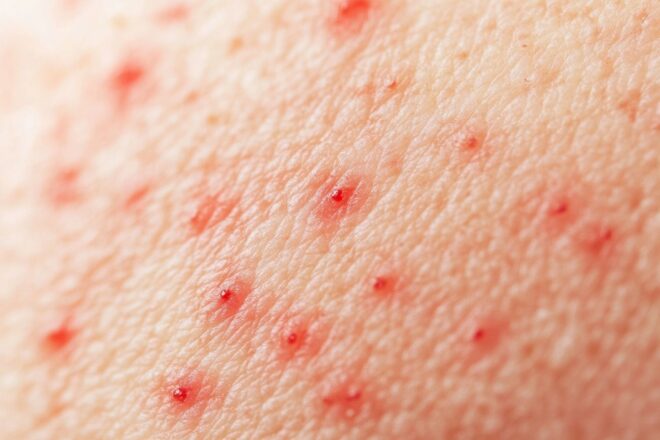
Understanding how to identify hives and skin rashes is essential for effective management. Exploring their causes, recognizing common symptoms, and following expert advice can help individuals better cope with these often uncomfortable skin conditions.
TL;DR
- Urticaria and rashes: distinct origins, similar symptoms.
- Diagnosis relies on careful observation of key signs.
- Treatment varies; seek medical advice if in doubt.
Skin Reactions: Telling Urticaria from Other Rashes
It’s a familiar scene for many: an intense itch, clusters of redness, or raised welts emerging without warning. But how do you know whether you’re dealing with straightforward skin irritation or a more acute case of urticaria? For doctors and patients alike, making this distinction is more than a matter of vocabulary—it fundamentally guides both immediate care and longer-term prevention.
Spotting the Difference: Symptoms in Focus
While both urticaria and general rashes can drastically alter the skin’s appearance, their specific features usually point to different culprits. Urticaria—better known as hives—typically reveals itself through highly itchy, raised welts that might be red or flesh-colored. One telling sign: these patches often vanish within hours, only to reappear elsewhere. Sometimes, swelling develops around sensitive areas like the lips or eyelids—a phenomenon called angioedema.
On the other hand, rashes represent a much broader category. Here, the affected skin may be flat or bumpy, possibly scaly or even blistering. Such eruptions tend to remain fixed in one spot and don’t always itch; they can sting or burn if infection sets in.
To help readers compare these conditions at a glance:
- Urticaria: Rapidly shifting, itchy welts; often linked to allergies.
- Other rashes: Persistent redness or bumps; causes range from eczema to infections.
Diverse Triggers and Underlying Causes
When it comes to origins, urticaria frequently traces back to allergens—think peanuts, shellfish, certain medications like antibiotics, or even insect stings. Oddly enough, changes in temperature or stress alone can provoke flare-ups in sensitive individuals.
Contrastingly, standard rashes may arise from contact with harsh soaps or plants like poison ivy, as well as from viral and bacterial infections such as chickenpox. Chronic illnesses—including autoimmune disorders like psoriasis—add further complexity.
The Importance of Proper Diagnosis and Management
Navigating these possibilities usually requires a thorough medical examination. Physicians look for how quickly lesions move (a classic hallmark of urticaria) versus persistent and sometimes oozing patches that point toward infection or chronic disease. Treatments reflect this diversity: acute urticaria responds well to antihistamines; other rashes may require corticosteroid creams, antifungals, or antibiotics depending on their root cause.
Ultimately, distinguishing between these common yet confusing reactions empowers patients to seek tailored therapies—and sidestep needless anxiety when confronted by unexplained changes in their skin. If symptoms rapidly worsen—especially if breathing is affected—consulting a healthcare provider promptly remains crucial.