How to Make Croque-Monsieur Extra Moist and Delicious
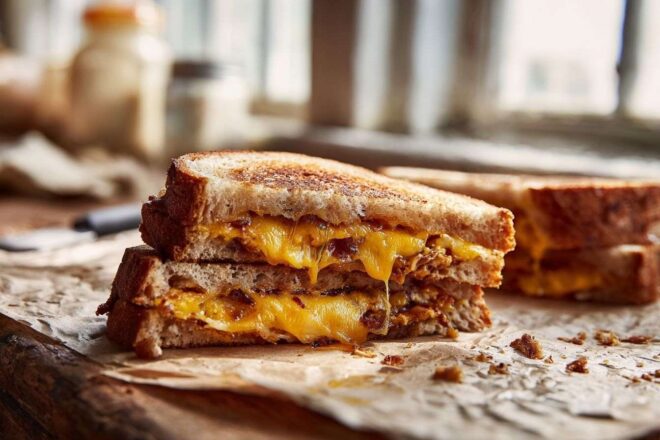
Un délicieux sandwich coupé en deux, dévoilant du fromage coulant et une garniture savoureuse sur une table rustique.
Discovering how to elevate a dry croque-monsieur can make all the difference at the table. Simple adjustments and clever techniques promise to turn this classic French sandwich from disappointing to delicious, winning over even the most discerning palates.
TL;DR
- Parisian chefs use cream and egg, not béchamel.
- Day-old bread and grilling prevent dryness.
- Croque-monsieur’s origins trace back to 1910 Paris.
The Essential Parisian Croque-Monsieur: Secrets Unveiled
A tantalizing aroma wafts through many a French brasserie, where the iconic croque-monsieur continues to reign supreme. But when attempted at home, this seemingly simple sandwich often falls short—dry, uninspired, lacking that signature melt-in-the-mouth experience. Why is it that a staple so straightforward proves elusive in domestic kitchens?
Béchamel’s Betrayal: The Unexpected Culprit
Conventional wisdom dictates a hearty slathering of béchamel sauce—milk, butter, and flour—as the foundation for a croque-monsieur. While comforting in a gratin, this approach does more harm than good here. During baking, the water content of béchamel evaporates rapidly. The result? The soft crumb of supermarket bread greedily absorbs the liquid at first, only to dry out as heat intensifies. Add to that the common mistake of using ultra-fresh, highly aerated slices: their open structure soaks up—and then expels—moisture, leaving both bread and ham disappointingly parched.
The Parisian Brasserie Technique: Simple and Brilliant
How do professional chefs sidestep these pitfalls? In the bustling kitchens of Parisian brasseries, tradition meets pragmatism with an unexpectedly minimalist solution. Instead of béchamel, an even coating of thick crème fraîche (30% fat) mixed with egg yolk forms the heart of their recipe—a trick that keeps everything sumptuously moist.
Several factors explain this decision:
- Day-old pain de mie, sliced evenly for better texture.
- A delicate layer of the cream-egg mixture spread inside each sandwich.
- Sliced cheese, never grated, for superior structure.
- A whisper of butter brushed on outer surfaces before grilling.
The assembled sandwiches are then grilled on a rack under intense heat for just four or five minutes. This brief encounter with high temperatures creates golden perfection outside while preserving moisture within. Massive coatings or excessive grated cheese are pointedly avoided—they either weigh things down or produce further dryness.
A Parisian Classic Since 1910
Few realize that this beloved classic first appeared on menus along Paris’s Boulevard des Capucines in 1910, its name coined by a playful bistro owner declaring: “That’s real gentleman’s fare!” More than a century later, the secret remains in careful preparation rather than complicated technique—a testament to culinary restraint and Parisian ingenuity. With these insights from seasoned professionals, transforming your home-cooked croque-monsieur into something truly special is finally within reach.